Hexagon vs Penny Tile Bathroom Floor: Which Vintage Look Is Right for Yours
Hexagon or penny tile bathroom floor? An honest comparison of sizes, looks, grout, grip and installing mosaic sheets so the seams disappear, with a simple way to choose for your own house.

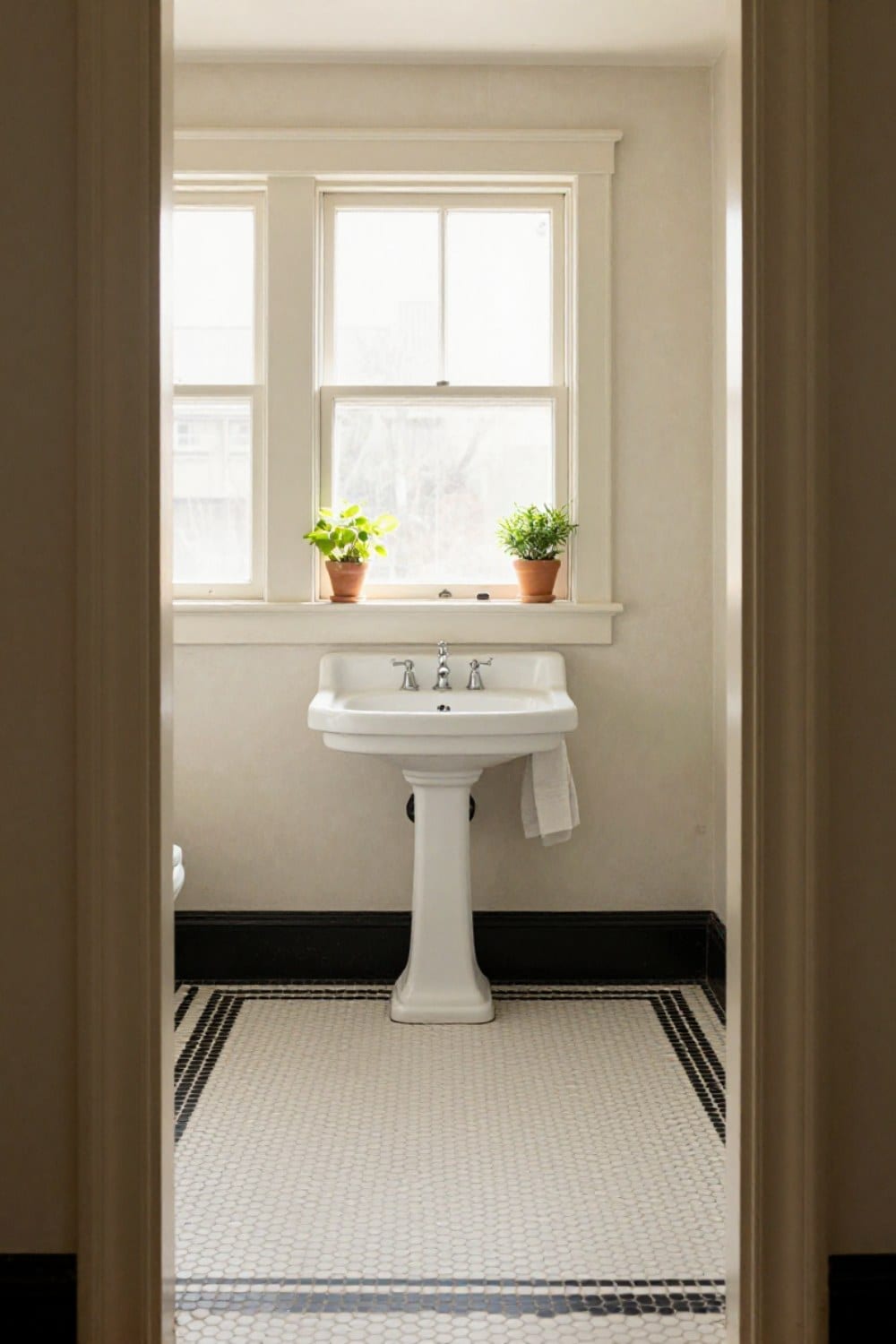
A penny tile bathroom floor and a hex one look like cousins in a photograph. Then you stand on them barefoot with a mop in your hand, and the differences show up fast.
Our 1928 bathroom still has its original white hex floor, 1 inch tile with a black border band that a previous owner grouted over in gray. I've scrubbed it, loved it and lived on it for six years. Last spring I helped a friend lay penny rounds in her 1950s hall bath, and that taught me the other half of the story. Each floor earns its place. Each one has a catch.
Below is the honest comparison: sizes, looks, grout, grip, setting sheets so the seams vanish, and color. If you want the wider tour first, start with the vintage bathroom tile ideas hub, then come back here to pick a floor.
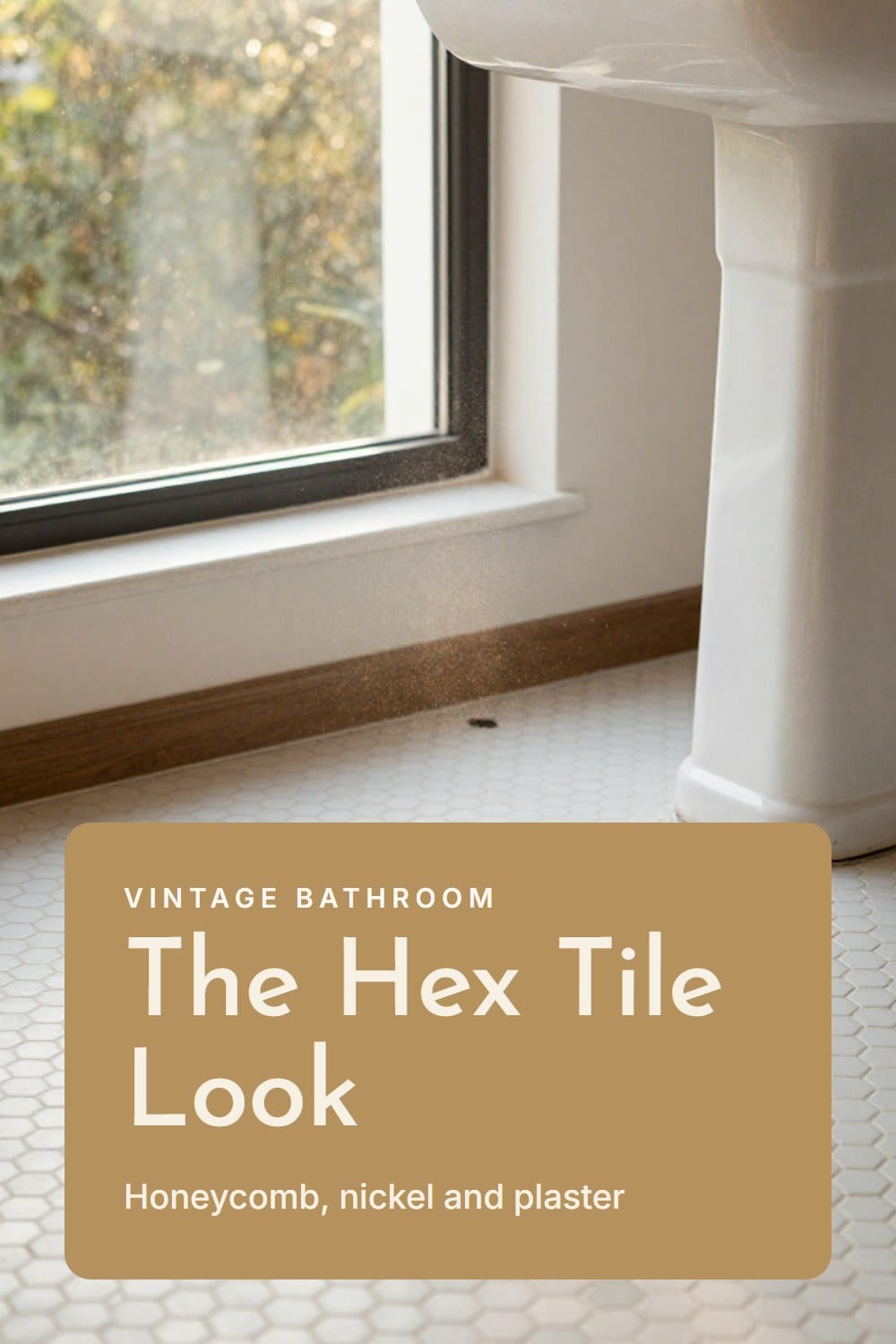
The two floors by size
Start with the numbers, because size changes everything else. Hex mosaics come in three common sizes, measured across the flat sides: 3/4 inch, 1 inch and 2 inch. Penny rounds are almost always 3/4 inch, which is the diameter of the coin they're named for.
Both arrive on mesh-backed sheets, usually about a foot square, so a tiler sets a few dozen pieces at a time instead of one by one. The floors in old houses were laid by hand in a thick bed of mortar. The sheets are why a floor like this is practical to install today.
- 3/4 inch hex: the busiest and most detailed. Lots of joints and lots of character, best on a floor you'll clean with care.
- 1 inch hex: the classic size, and the one in our house. The safest pick if you want it to look original.
- 2 inch hex: calmer, with far fewer joints. It cleans more easily and reads a little more modern.
- 3/4 inch penny round: soft and dotted. The most grout of any of the four.
How hexagon and penny tile look in a room
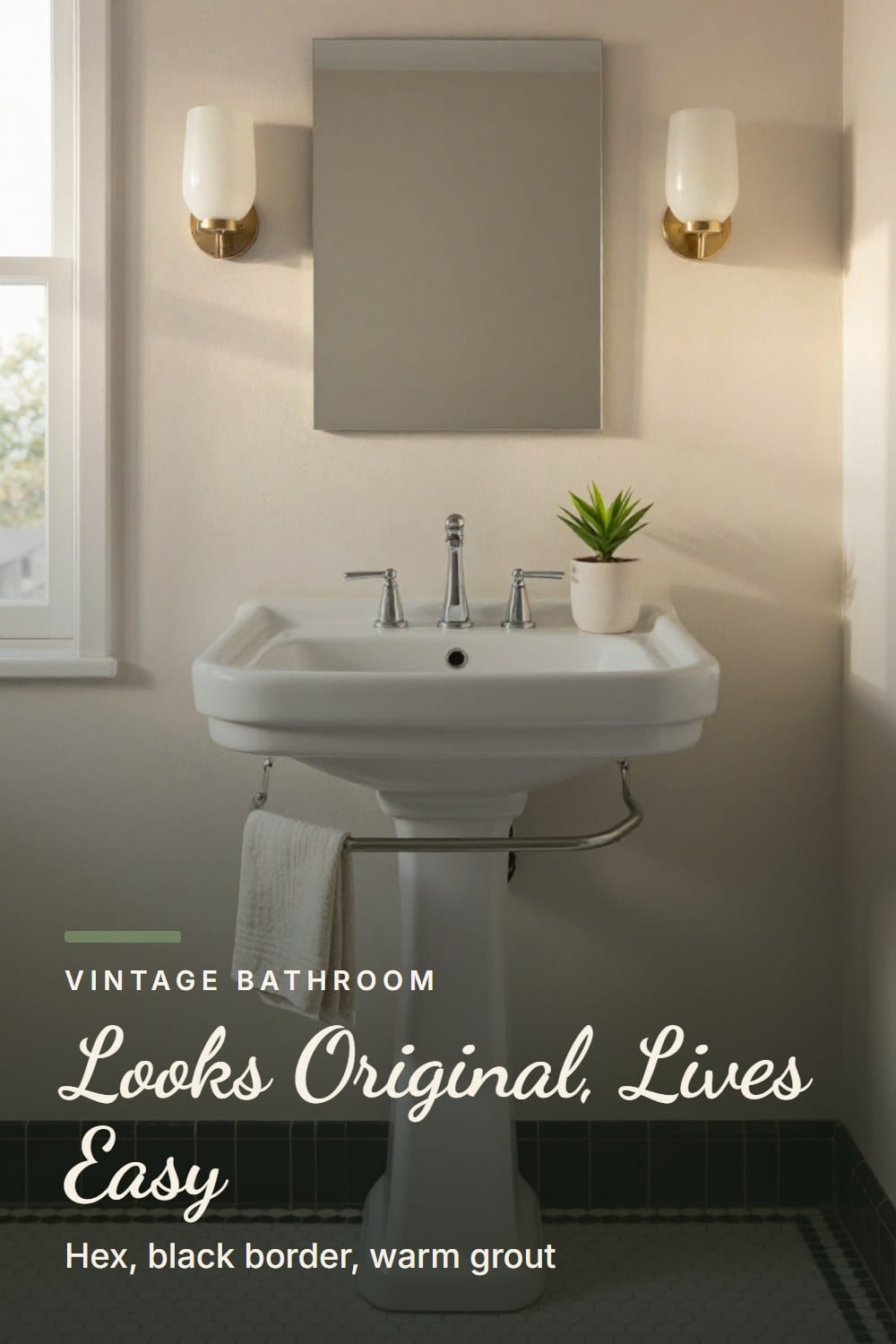
Hex is tailored. The honeycomb pattern is geometric and a little formal, and it carries the look of a 1910s or 1920s bathroom better than any other floor. Put it under a pedestal sink and polished nickel and the room settles into its era. The 1920s bathroom ideas guide shows the whole setup.
Penny rounds are softer. The circles leave little gaps between them, so the floor reads as a field of dots, which is lovely in morning light and a touch playful. It spans a longer stretch of history, from the 1920s through the 1950s and on into mid century, and it suits a pastel bath best. 1950s bathroom ideas has the pastel version.
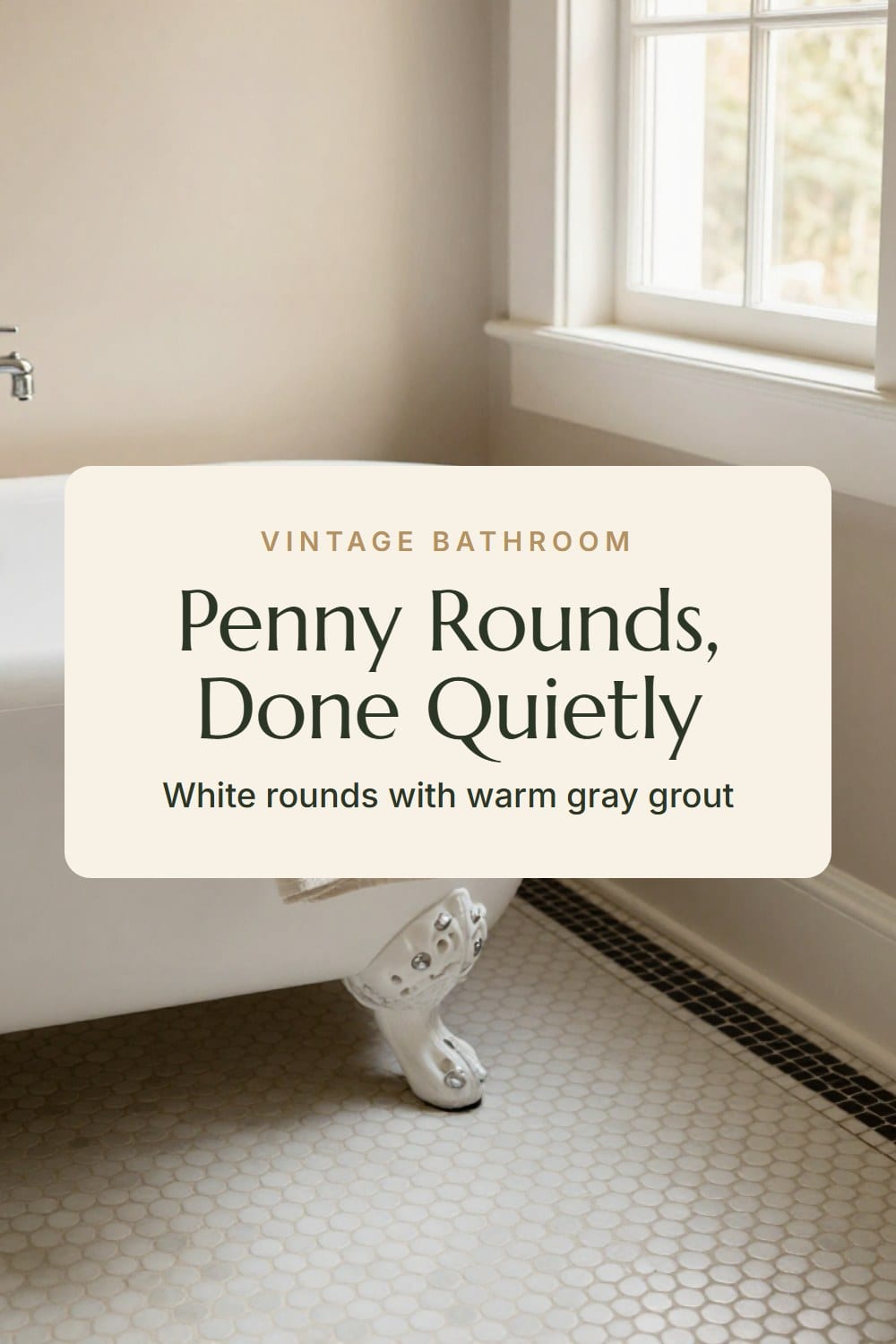
I used to think of hex as the serious floor and penny as the cute one. That's mostly true. But white penny rounds with warm gray grout are quieter than people expect, and in the right light the floor looks nearly woven.
Grout lines and what they mean for cleaning
Every tile edge is a grout line, and penny rounds have the most of any common floor. The gaps where four circles meet are also wider than a normal joint, so there's a lot of grout to keep clean in a room that's damp every morning.
One inch hex has fewer lines, and 2 inch hex has far fewer. If you dread scrubbing, size up before you do anything else.
I learned this with white grout. I set my friend's penny floor in bright white because it looked so crisp on the sample board. Within a year of wet feet and a busy family it had turned the gray of old dishwater. We regrouted in a warm mid-gray and the floor looked better than it did the day it went in.
Pick a grout one or two shades darker than the tile and it hides daily life. The routine for keeping it fresh is in how to clean old bathroom tile and grout.
Slip resistance: why small mosaics grip
Both floors grip better than large glossy tile, and the reason is simple. More grout lines mean more texture under a wet foot. It's a big reason small mosaics showed up in bathrooms a hundred years ago.
Penny rounds edge out hex a little because they have more joints per square foot. Unglazed tile grips a touch more than glazed, which is smooth and shiny on top.
No floor is slip-proof, so check the rating. Look for a wet dynamic coefficient of friction of 0.42 or higher on the spec sheet, and ask the tile shop if you can't find it. A washable cotton rug with a non-slip pad at the tub covers the rest.
Sheet lines: the secret to a mosaic floor that looks original
This is where most modern mosaic floors give themselves away. Look closely and you can see a faint grid running across the floor every foot or so. Those are the sheet edges, and they show whenever the gap between two sheets is wider or narrower than the gap between tiles.
In our powder room I let the sheets butt up tight, and the seams showed like pencil lines. I lifted two rows and reset them. Annoying, and a lesson. These are the steps I'd ask any tiler about.
- Dry-lay the sheets first. Set them down without adhesive and study the edge joints in daylight.
- Match the joint. The gap where two sheets meet should equal the gap between tiles inside a sheet. Trim a little mesh with nippers or a sharp utility knife and nudge single tiles to fix it.
- Mix the boxes. Pull sheets from several boxes as you go so slight color differences don't form bands.
- Press and tap flat. Set each sheet into a fresh bed of thinset, tap it level with a beating block, and check that the tops sit even with their neighbors.
- Clean the joints early. Wipe thinset out of the gaps before it sets, or the grout will sit at different depths and show the seams.
A good tiler lays the field from the center of the room outward, so the cuts land at the walls and under the tub where they hide. Ask for that by name.
Unglazed porcelain and what to check on the tile itself
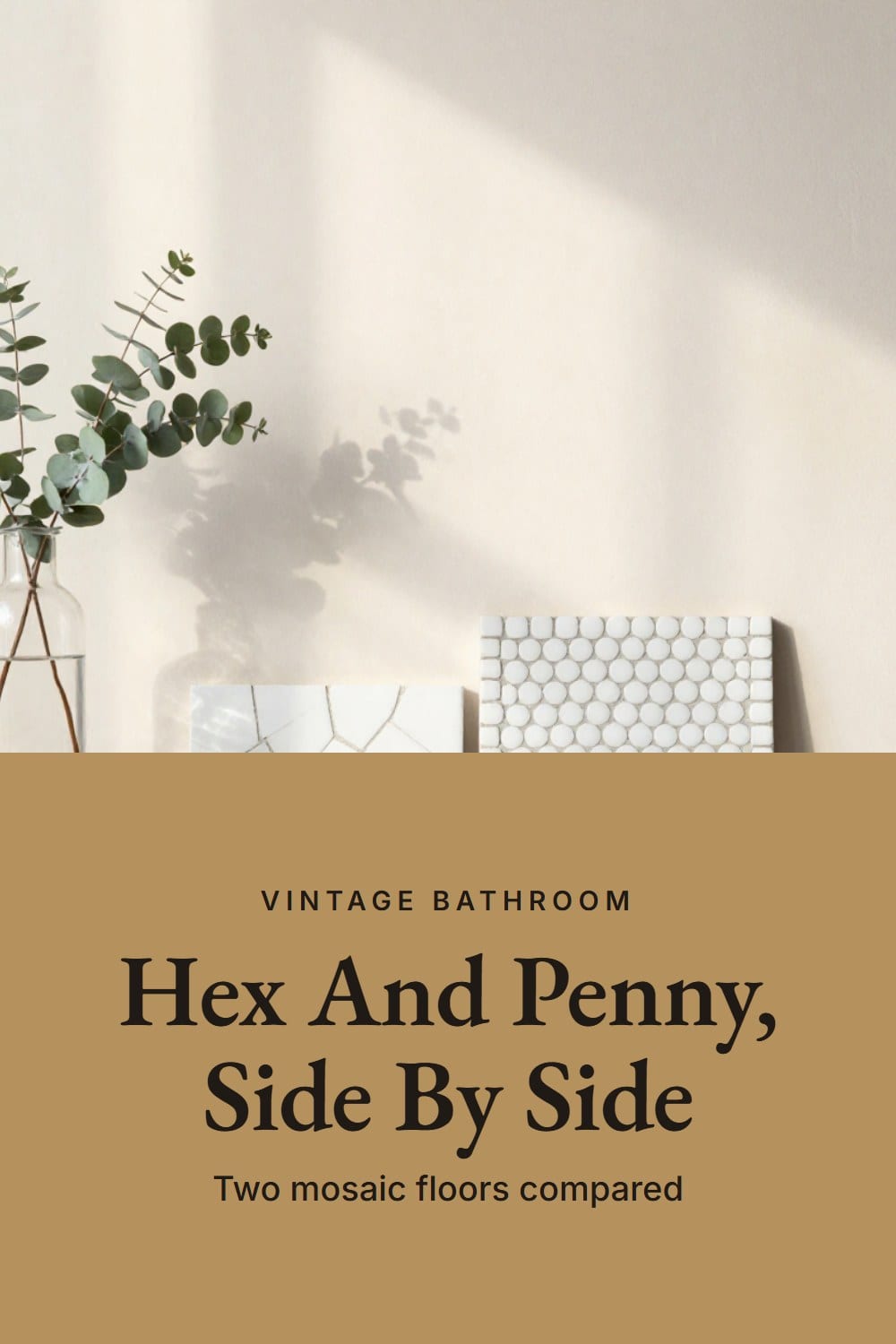
Look at the tile before you fall for the color. Unglazed porcelain is the same color all the way through, so a chip doesn't flash a different body underneath. It's dense, it absorbs half a percent of its weight in water or less, and the matte face grips. For a bathroom floor it's hard to beat.
Glazed mosaics are shinier and come in more colors, especially the soft pinks and greens. They show scratches sooner and are slicker when wet, so I save them for walls and the tub surround, or use them on a floor only with a good wet rating.
Check that the box says floor-rated, order about 10 percent extra for cuts, and keep a spare sheet in the basement. Old floors get repaired, and a matching dye lot is hard to find later.
Borders, patterns and the details that make the floor
Hex does borders best. The classic is a band of black hex two rows deep, running along the walls to frame a white field. The other period favorite is a small black rosette, a flower made of seven hexes, set into the field here and there. The black and white tile bathroom guide shows how to warm that contrast up.
Penny rounds do color. A blend of white, pale gray and one muted tone gives the floor a gentle dappled look, and a single row of darker rounds makes a tidy border. If you love the graphic look of squares more, checkerboard bathroom floor ideas is the better fit.
Whichever you choose, use one border, not two, and keep it at least two rows deep so it reads as deliberate. Plan it around the tub, too. A clawfoot's feet should land on the field, not straddle a band, and clawfoot tub bathroom ideas covers placement.
Colors that suit each floor
White with a warm gray grout is the safest version of either floor, and it's what most original bathrooms had. If you add color, stay in the soft families: black as the accent, then dusty pink, sage or pale blue as the supporting tone.
Hex handles high contrast well because the shape is so strong. A black border on white reads crisp. Penny does better when the colors sit close in value, like white with pale gray, because the dots already carry the texture. Add a dark grout to penny rounds and the floor turns bold and graphic. That's great in a room with quiet walls and a bit much in a busy one.
Settle the floor before the paint. I painted our walls a stark white first, and the tile looked yellow beside it until I repainted. For the wall side of the choice, vintage bathroom paint colors sticks to color families so you can match your own tile.
How to choose a penny tile bathroom floor or a hex one
Here's how I'd decide, in order.
- Built before 1930? Choose 1 inch hex. It's what your house probably had, and it sits right beside original fixtures.
- Built in the 1940s through the 1960s? Choose penny rounds. They match the era and suit a pastel bath.
- Dread scrubbing? Choose 2 inch hex, or any mosaic with a mid-gray grout.
- Tiling the shower floor? Choose penny or 3/4 inch hex. Small mosaics follow the slope to the drain where bigger tile can't.
- Busy walls, like pink or green wall tile? Choose the simpler floor, usually white hex with a single border.
Still torn? Order one sheet of each and set them on your floor for a week. Look at them at 7 a.m., and again under the lamp at night. The one you keep stepping around to admire is your floor.
For the bigger picture of making a newer house feel older, how to make a bathroom look vintage without gutting it is the next read, and retro bathroom styles sorts the decades.
A checklist before you order tile
- Pick the size: 1 inch hex, 2 inch hex or 3/4 inch penny.
- Check that the box says floor-rated, unglazed if you can.
- Look for a wet friction rating of 0.42 or higher.
- Choose a mid-gray grout, a shade or two darker than the tile.
- Dry-lay the sheets and match the joint at every seam.
- Have old adhesive and flooring tested before demolition.
- Order 10 percent extra and keep a spare sheet.
Buy the one sheet. Set it down and live with it for a week. Fewer, better choices, kept for years.
The Hex or Penny Decision Sheet
The printable is being finished. It will live here, free, with no sign-up wall.
Frequently asked
Is penny tile good for bathroom floors?
Which is harder to clean, hex or penny tile?
How do I stop sheet lines from showing?
What size hex tile looks most original?
Sarah Whitmore
she keeps the teak, she oils it in spring
Sarah has furnished the same porch three times and finally stopped. She writes about what actually survives a decade outdoors — which wood silvers, which fabric fades, and which inexpensive piece quietly reads the same as the expensive one.
SarahMore from this corner
 Vintage Bathroom
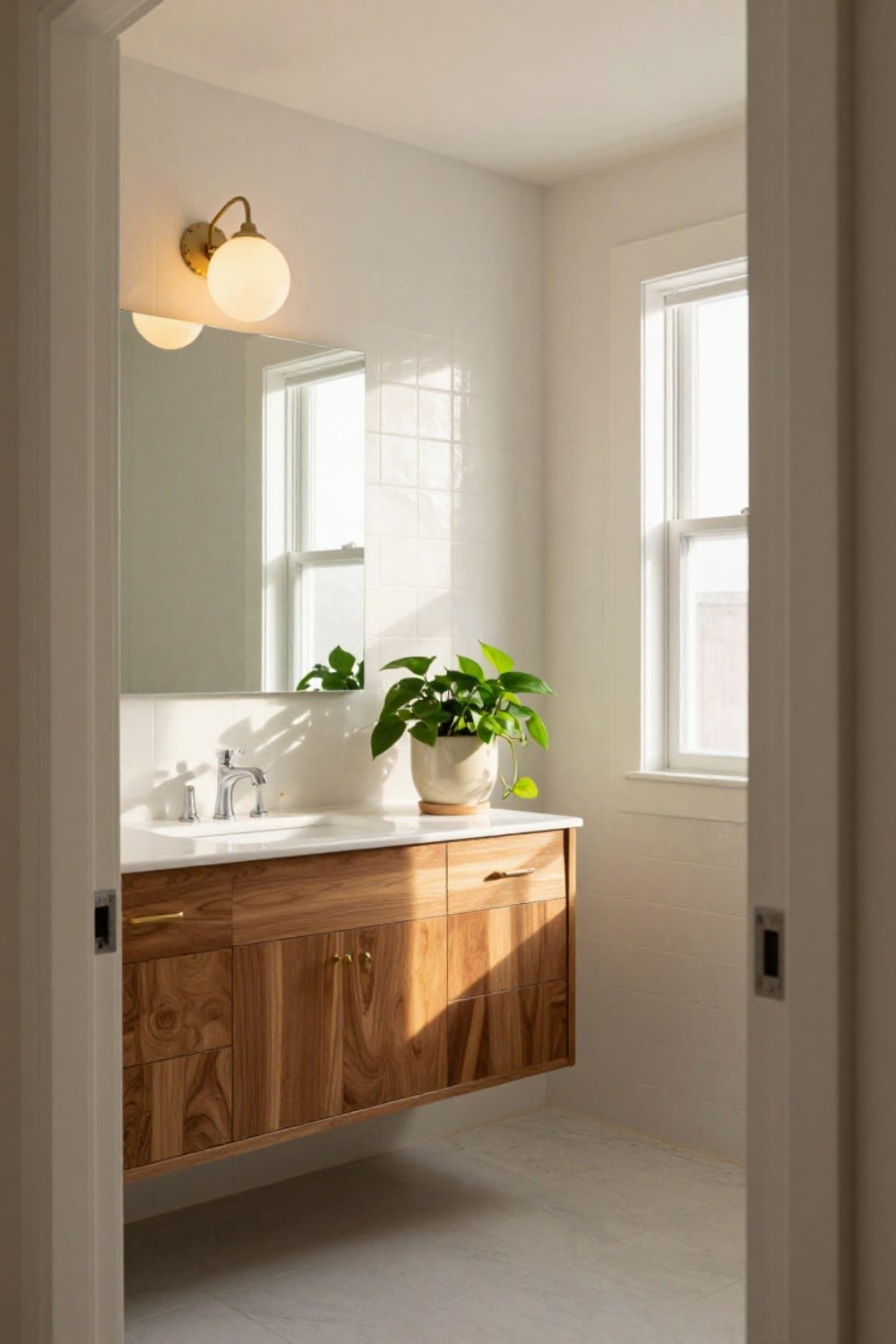
Mid Century Bathroom Ideas for a House Built in the 1950s and 60s
Mid century bathroom ideas for a ranch or split-level: the floating vanity, square and penny tile, globe lights, a wide mirror, and which original features to keep and update around.
Oct 31, 2026 · 12 min read
 Vintage Bathroom
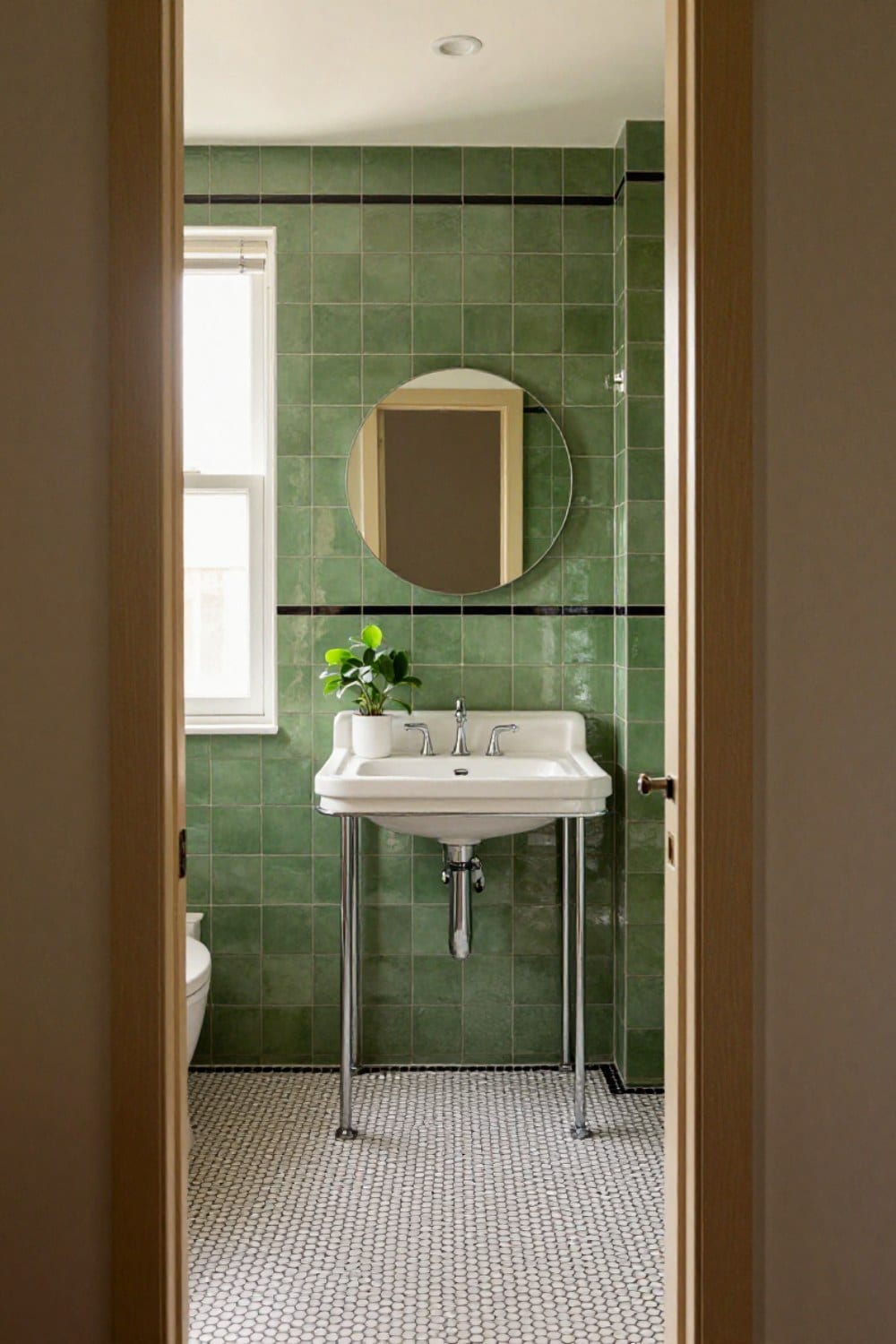
Art Deco Bathroom Ideas That Feel Classic, Not Costume
Art deco bathroom ideas scaled for a real house: the one-statement rule, black and white or green and black tile with a border, round mirrors, frosted sconces, a console sink on chrome legs, and the mistakes that make it look like a set.
Oct 31, 2026 · 11 min read
 Vintage Bathroom
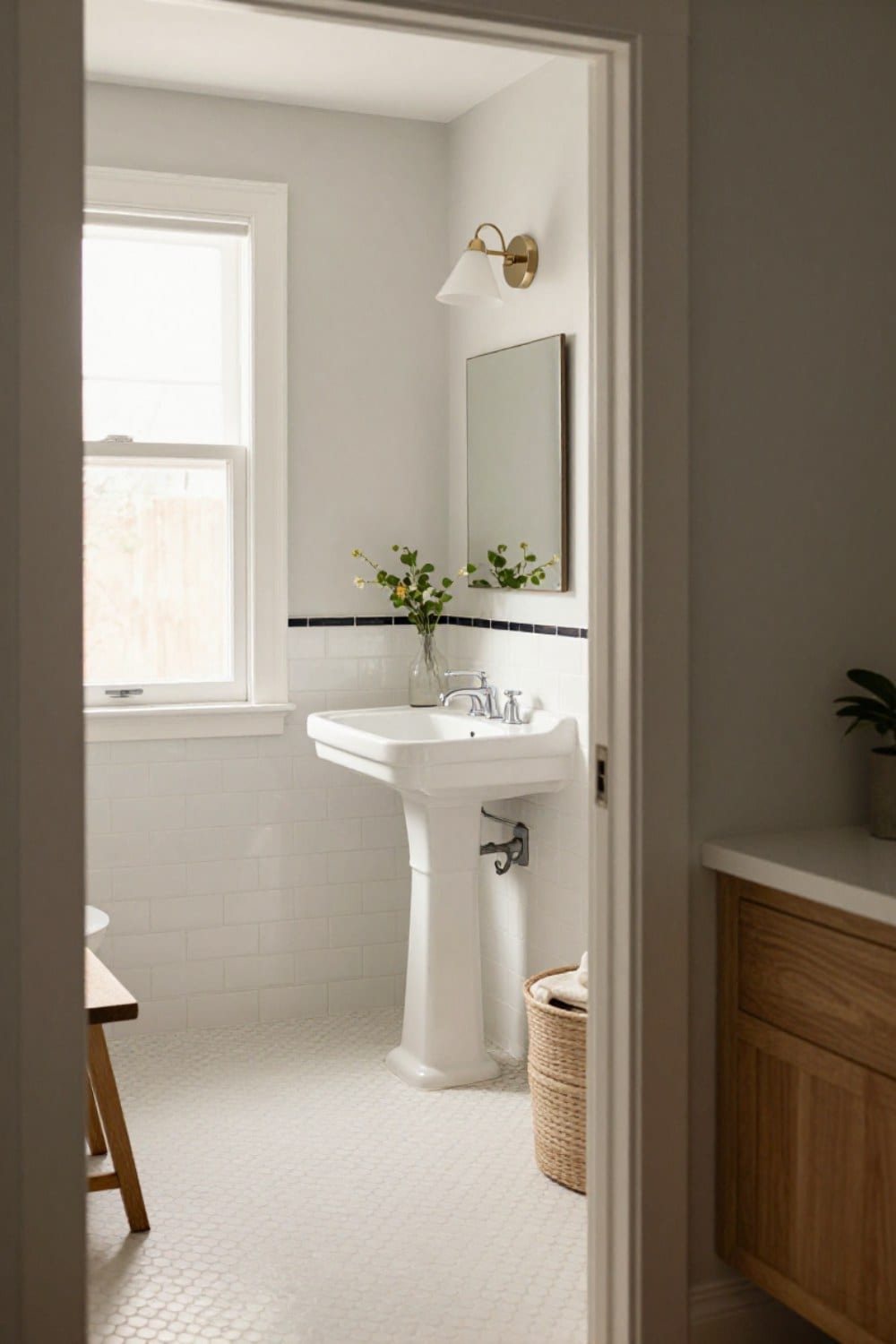
 Tile Ideas: The Patterns and Colors That Never Date
Vintage bathroom tile ideas that still look right decades on: the hex, penny, subway and checkerboard patterns, the glaze colors worth keeping, the grout rule that matters most, and how to decide between repair and reproduction.
Oct 29, 2026 · 12 min read