Timeless Manornotes from Sarah's porch
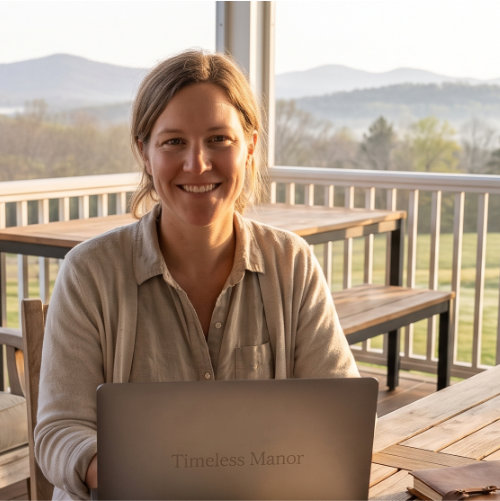
hello — I'm Sarah

I've furnished this porch three times.You only need to do it once.

I write about what actually survives a decade outdoors — which wood silvers, which fabric fades, and which inexpensive thing quietly reads the same as the expensive one. No urgency, no trends, and never a price.

Materials tested
8
Guides written
31
Seasons on one porch
12
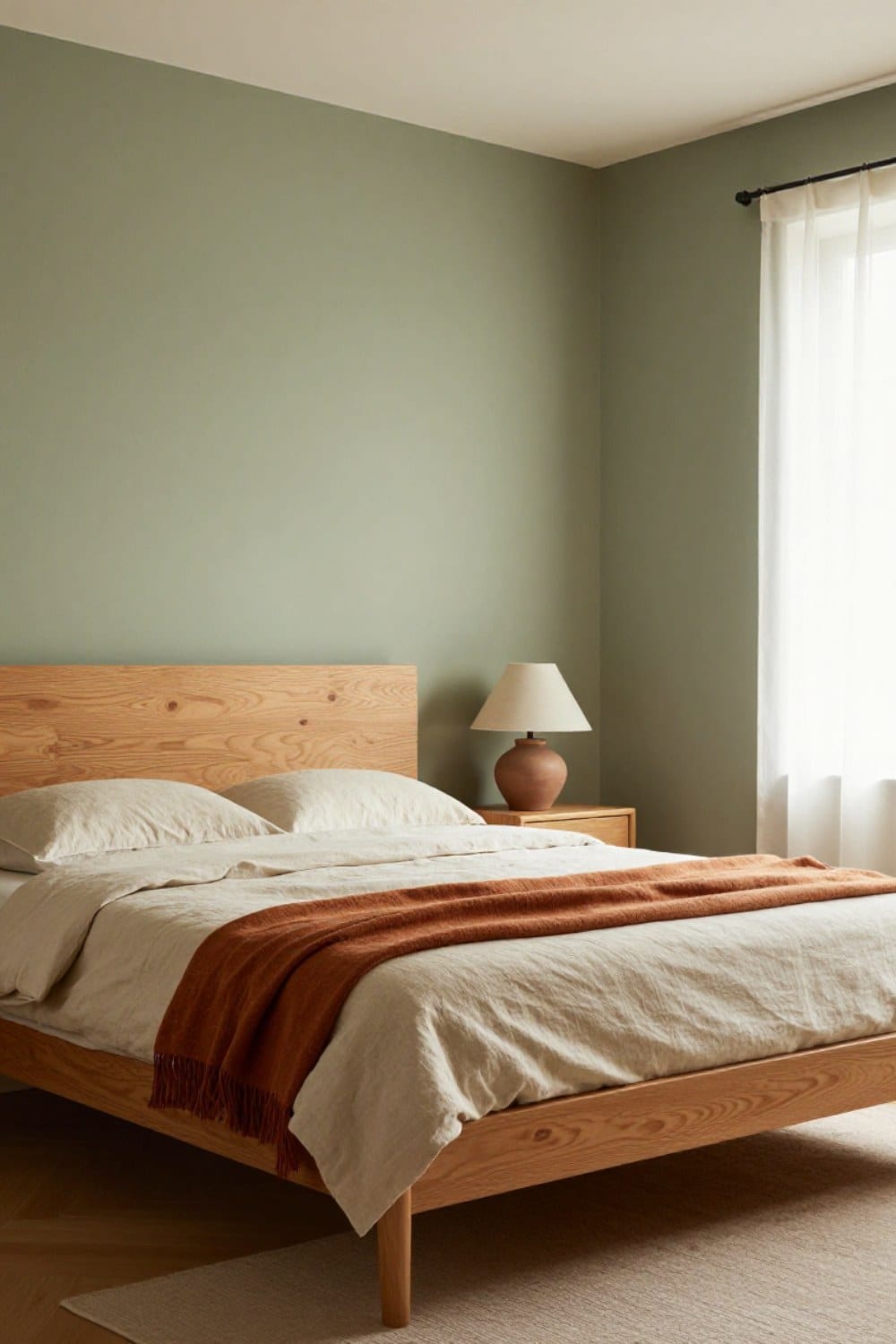
A sage green and terracotta bedroom with an oak bed, oatmeal linen bedding, a rust throw and a clay lamp in soft morning lightLatest

Sage Green and Terracotta Bedroom: A Warm Palette That Works With Wood

Sage green and terracotta is the easiest earthy palette to live with, as long as you get the proportions, the wood and the lightbulb right. Here is how I split it, where the clay goes, and what to swap each season.

the folder I keep

What lasts, what silvers, what fades

Everything I write comes out of these notes. Open one and you'll see what the material actually does in year three — including the parts nobody photographs.

TeakSilvers to grey in ~12 months · oiling optionalhere's what actually happens →

Left alone, teak turns a soft silver-grey within a year — evenly, if it gets even light. This is oxidation of the surface only; the wood beneath is unchanged and its natural oils keep it from rotting. Oil it if you want the honey colour back, and understand you are then committed to oiling it every spring. Grade A (heartwood, tight grain, no knots) silvers evenly; lower grades go blotchy. Nothing about the greying shortens its life.

Upkeep: One afternoon a year, at most. None, if you like grey.

AcaciaNeeds oil yearly · will check if it doesn't get ithere's what actually happens →

Acacia arrives looking a great deal like teak and costs a great deal less, which is exactly why it appears in so many sets. It has far less natural oil. Under sun and rain it dries, and dry acacia checks — fine cracks along the grain, usually inside two seasons. Oiled every spring and moved under cover for winter, it will give you many good years. Left out and forgotten, it will not.

Upkeep: An hour every spring, and a place to put it in January.

Powder-coated steelFails at the welds first, not the flat faceshere's what actually happens →

The coating is tough and the flat panels usually outlast everyone's expectations. Rust starts where the coating is thinnest — the welds, the cut ends of tubing, the scratch where the chair met the door frame. Touch those up the week you notice them and the frame lasts a decade. Ignore them for a winter and the rust travels underneath the coating, where you cannot reach it.

Upkeep: Ten minutes with touch-up paint, once a year, at the joints.

Rope weaveStiffens after a wet winter · relaxes again in warmthhere's what actually happens →

The olefin and polyester ropes used on good outdoor seating are UV-stable and will not rot. They do stiffen when cold and damp, and a rope chair left out through a wet winter feels like a different chair in March — it softens again as the weather turns. Real deterioration shows as fuzzing at the points where the rope crosses the frame. That is abrasion, not weather, and it is the thing to inspect.

Upkeep: Nothing, most years. Look at the crossing points each spring.

Solution-dyed acrylicFades honestly and slowly · the seams go firsthere's what actually happens →

Colour in solution-dyed acrylic goes all the way through the fibre rather than sitting on it, so it fades slowly and evenly instead of going patchy. Expect a gentle softening of tone over five or six seasons, which most people never notice. What ends a cushion is the stitching and the zip, both of which sit on the surface and take the full sun. Ask what the thread is made of; nobody does.

Upkeep: Brush them off. Bring them in when the season turns.

PolypropyleneHose it clean · never let it dry underneath the furniturehere's what actually happens →

A flatweave polypropylene rug is the most forgiving thing on a patio: it takes rain, it takes a hose, and jewel tones hold their depth for years. The failure is not the rug, it is what happens beneath it. A rug left wet under a table traps moisture against stone or decking and leaves a ghost of itself in mildew. Lift it, let both sides dry, put it back.

Upkeep: Ten minutes after heavy rain. Lift it, do not just sweep it.

Open the Materials Library
how I choose things

One to keep. One that reads the same.

Some things are worth buying once. Others only need to look as though you did. Knowing which is which is the whole skill, and it has almost nothing to do with what you spend.

Seating frames, for instance

The one I'd keep

Grade-A teak, tight-grained heartwood

It silvers evenly, it doesn't rot, and it'll still be sound when the cushions have been replaced twice. Buy it once, oil it if you feel like it, hand it on.

The one that reads the same

Powder-coated steel with clean welds

At three paces the line is the same, and the line is what your eye reads. Touch up the welds each spring and it holds for a decade — longer than most people keep a patio anyway.

everything else

From the porch table

Sarah Whitmore on her back porch in early morning light, holding a cup of coffee
so — come sit down

Nothing here is urgent, and nothing here is a secret.

Sarah has furnished the same porch three times and finally stopped. She writes about what actually survives a decade outdoors — which wood silvers, which fabric fades, and which inexpensive piece quietly reads the same as the expensive one.

Read my storySarah