Green Gingham Bedding: How to Style It So It Looks Grown-Up
Green gingham bedding can look calm and collected instead of nursery. Here is how to choose the check size, keep it to one layer, mix it with other patterns and pair it with wood so the bed looks grown-up.

This post contains affiliate links. As an Amazon Associate we earn from qualifying purchases — at no extra cost to you.
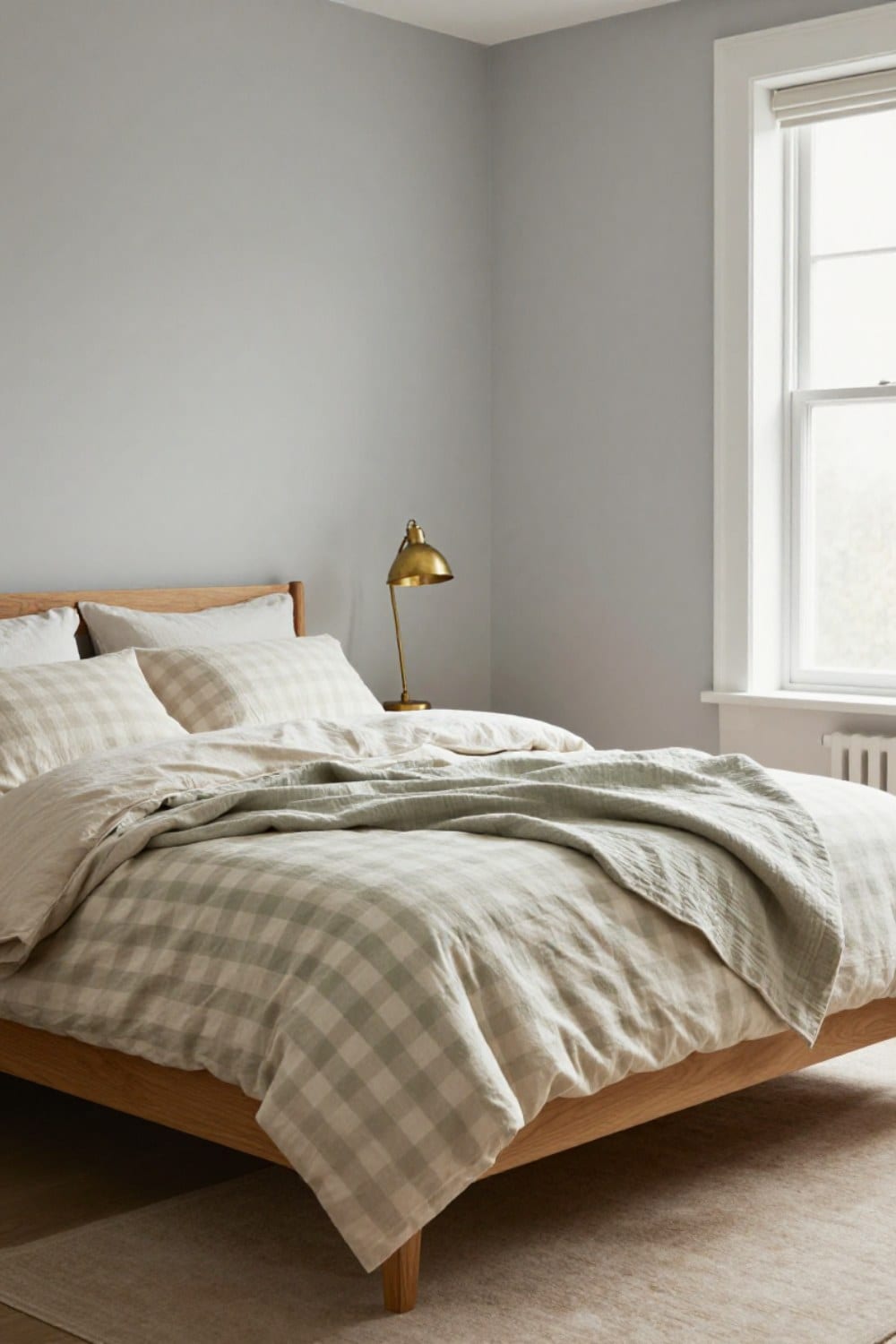
Green gingham bedding has a reputation to live down. Say the word and plenty of us picture a crib skirt or a picnic blanket, which is exactly the picture you're trying to leave behind. Done well, though, it's one of the calmest, most grown-up things you can put on a bed. It just plays by a few rules.
I learned them in our guest room. First I bought a bright kelly-green duvet cover in a big check, then matching shams, then a ruffled bed skirt because the set was right there. The room looked like a bed-and-breakfast from 1994. Not ugly. Fussy. I boxed the shams and the skirt, swapped the duvet for a smaller check in a deeper green, and made the bed with plain oatmeal linen. Same pattern idea, completely different room.
What follows is everything that changed, in the order I'd tell you if you were standing in the doorway with me.
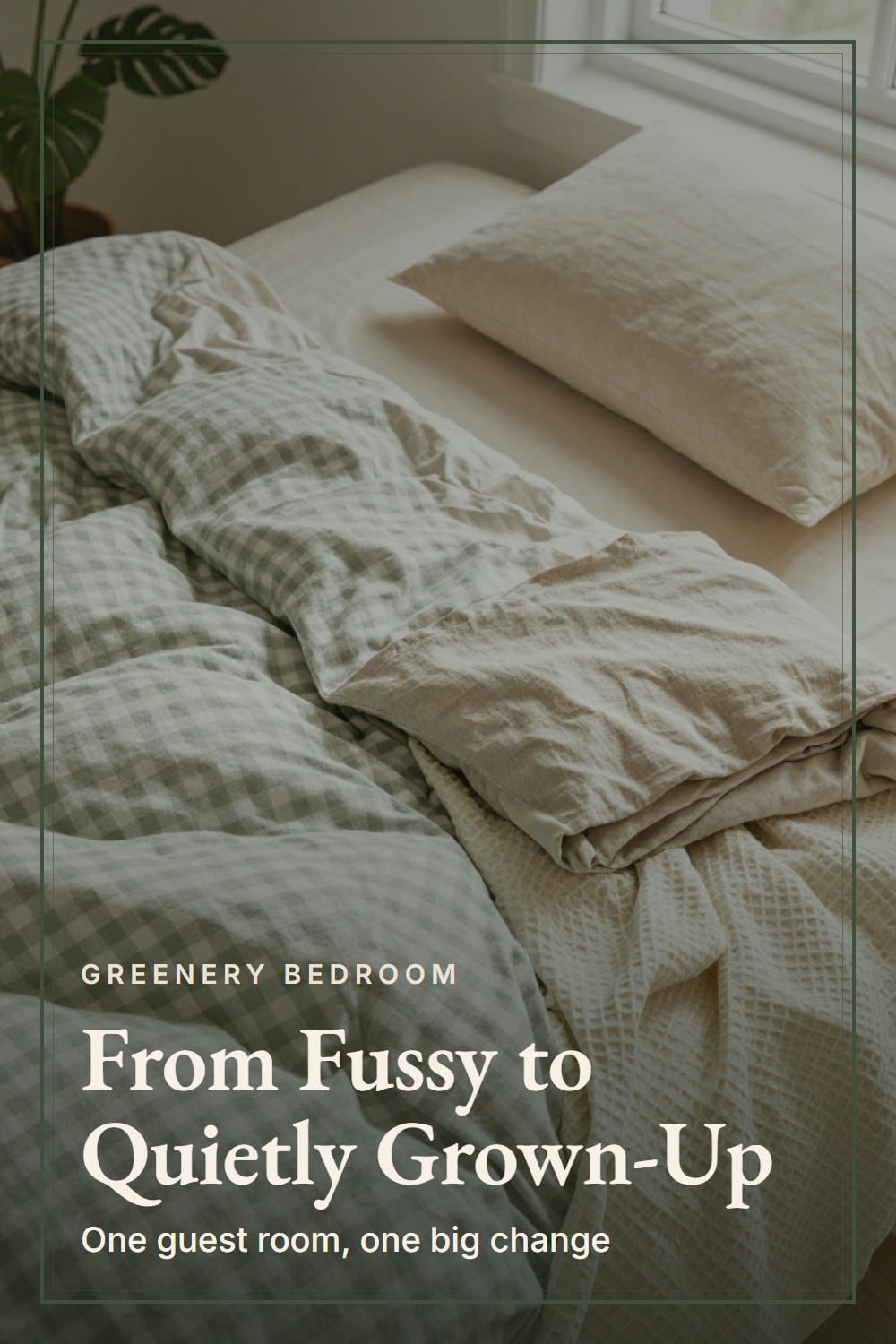
Is gingham bedding too childish for a grown-up bedroom?
Only when everything childish shows up at once. A bright primary green, a big check, ruffled trim and a matching set of every piece is the combination that says nursery. Take away any two of those and the bed ages up fast.
Here's what tips it the other way. Muted or deep greens, the sage, moss, bottle and olive families, with an ivory or oatmeal check line instead of stark white. A tailored hem with a flat edge instead of a ruffle. And cloth with some weight and grain to it.
That last one is what makes gingham look expensive, so it's worth a minute. True gingham is yarn-dyed. The colored threads are woven in, which gives the check a faint grain and a darker square wherever two colors cross. A printed check looks flat next to it, and flat is what reads like a costume. Turn a corner over in the store. If the check looks the same on both sides, it's woven.
Pick the check size before you pick the green
Check size does more to set the mood than the color does. Stand at the bedroom door and look at the bed. If you can still count the squares, the pattern is doing the talking. If they blur into a soft texture, it's the quiet kind. Both are fine. You just want to choose on purpose.
Small checks, about an eighth of an inch
From across the room a small check reads almost like a solid with a little life in it. That makes it the safest choice for a duvet cover, especially on a king bed where a wide stretch of pattern can feel like a lot. If you've never owned gingham, buy this one first.
Medium checks, about a quarter inch
The classic. You can plainly see it's gingham, but it doesn't shout. It's the most forgiving size for shams and a bed skirt, and the one that plays best with a second pattern, which comes up again below.
Large checks, an inch or more
Bold, and lovely in a small dose. On a 26 x 26 inch Euro sham, a one-inch check shows up as a clean grid of squares, and that's plenty. Across a whole king duvet it will take over the room. I'd keep a large check to a throw or a single pair of shams.
Use gingham on one layer, and only one
This is the rule that fixed my guest room. Gingham gets one layer of the bed and everything else stays solid. You have three good places to put it.
- The duvet cover. The biggest statement, since it covers most of the bed. Choose a small or medium check in a muted or deep green.
- A pair of Euro shams. Less commitment and easy to change. Plain linen on the bed, gingham standing at the back. Euro shams run 26 x 26 inches, which gives you a good square of pattern.
- The bed skirt. The one almost nobody tries. A tailored skirt in a medium check only shows at the bottom of the bed, a quiet surprise instead of a headline.
Pillowcases or a folded throw can carry the check too, if that's the layer you choose. What matters is that you choose one. When I had the duvet and the shams both in gingham, I could feel the bed pulling at the eye. If you want help with the order the layers go on, how to layer bedding like a designer walks through duvet, quilt, throw and Euro shams.
What goes with green gingham? Solid linen, mostly
Gingham is crisp and regular. Linen is slouchy and uneven. Put them side by side and the contrast does a lot of the work, because the linen softens the grid and the grid gives the linen some structure.
For the rest of the bed, stay with oatmeal, flax, ivory and warm white. A linen top sheet turned back over the duvet edge, a cream waffle blanket folded at the foot and plain pillowcases make a whole look. If you're deciding what goes underneath all of that, linen vs cotton sheets lays out percale, sateen and linen side by side. Linen sheets are usually sold by weight, and around 160 to 190 GSM is the range I like for a bed that gets slept in every night.
The linen will wrinkle. Let it. A rumpled solid next to a crisp check is what stops the whole bed from looking like a catalog photo.
How to mix gingham with florals and stripes
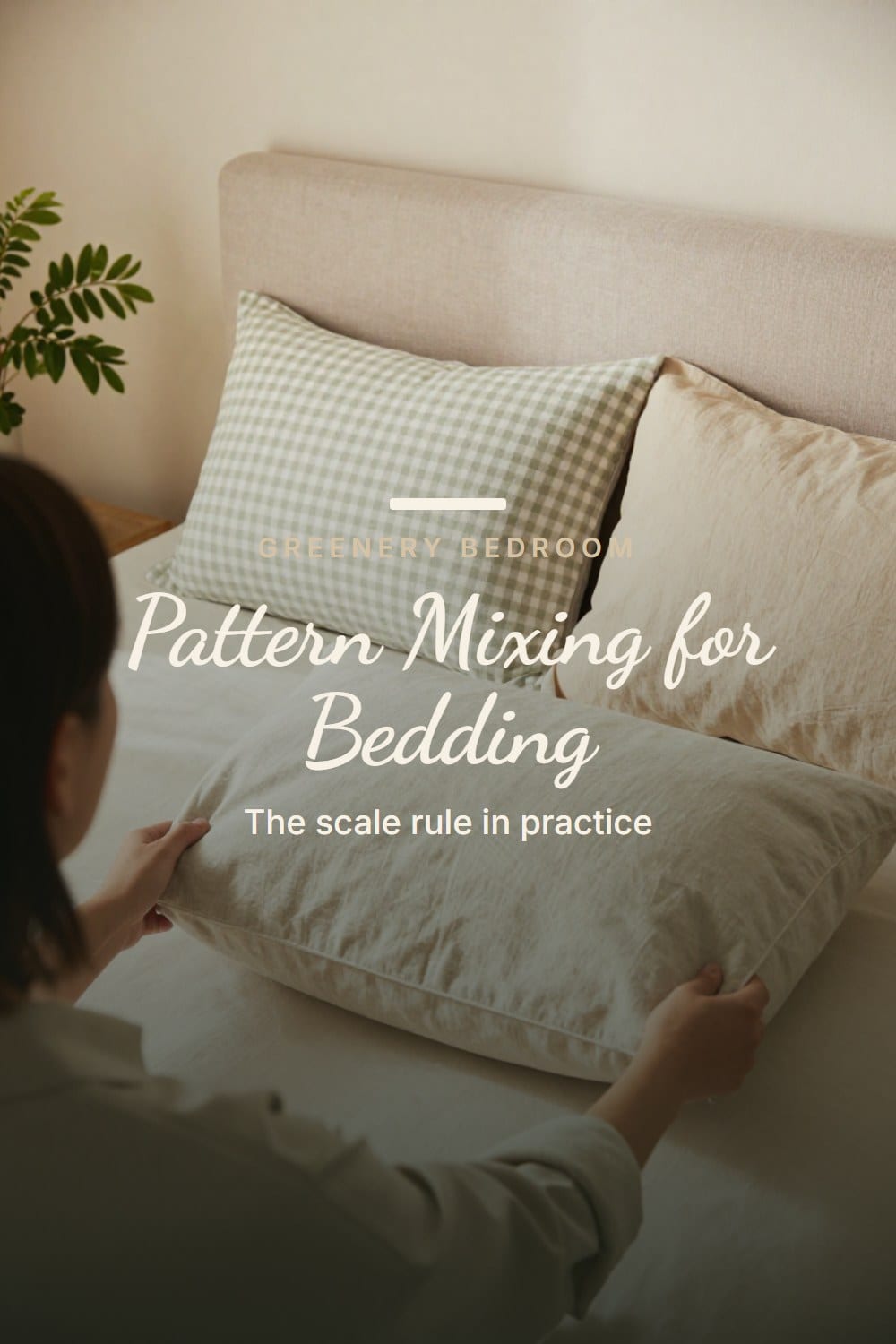
Here's the pattern scale secret, and it's less secret than it sounds. A second pattern works when it's roughly twice or half the size of the first, and when it shares a color family. Patterns of the same size fight each other. Patterns of different sizes take turns.
In practice, a small green check pairs well with a wide, loose stripe. A medium check pairs with one large, soft floral on a single lumbar pillow. Keep the florals in greens and creams, with maybe one dusty pink, and they read as part of the same room. Pull in a floral from a whole other palette and you've got three bedrooms on one mattress.
Screenshot this list. It's the test I run every time I add a pattern to a bed.
- One pattern gets the biggest area. That's usually the duvet.
- The second pattern is about twice or half the scale of the first.
- Every pattern shares a color family, such as greens and cream.
- At least one solid layer sits between any two patterns.
- Add one quiet piece of grain, such as a waffle blanket or a nubby linen throw, to rest the eye.
- Stand at the door and squint. If one pattern jumps out, swap it for a solid.
Number six is the one I use most. The pattern that jumps out when you squint is the loud one, and once it's gone the bed settles right down.
Warm wood and rattan do the grown-up work
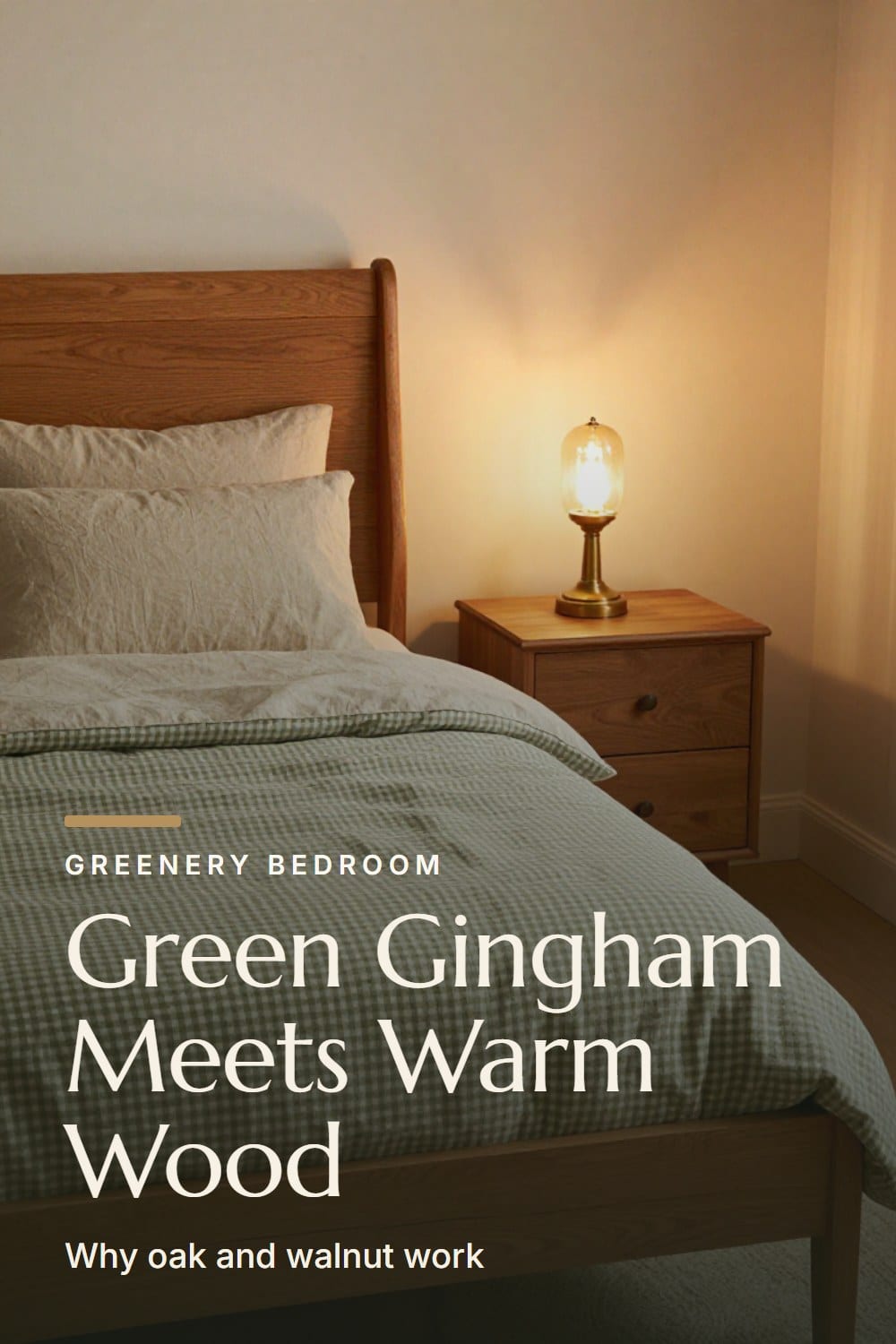
A green check on a white-painted bed leans cottage. The same check against a honey oak or walnut frame leans English country house, which is the direction you want. Wood has weight and age, and weight and age are what keep a pattern from looking playful.
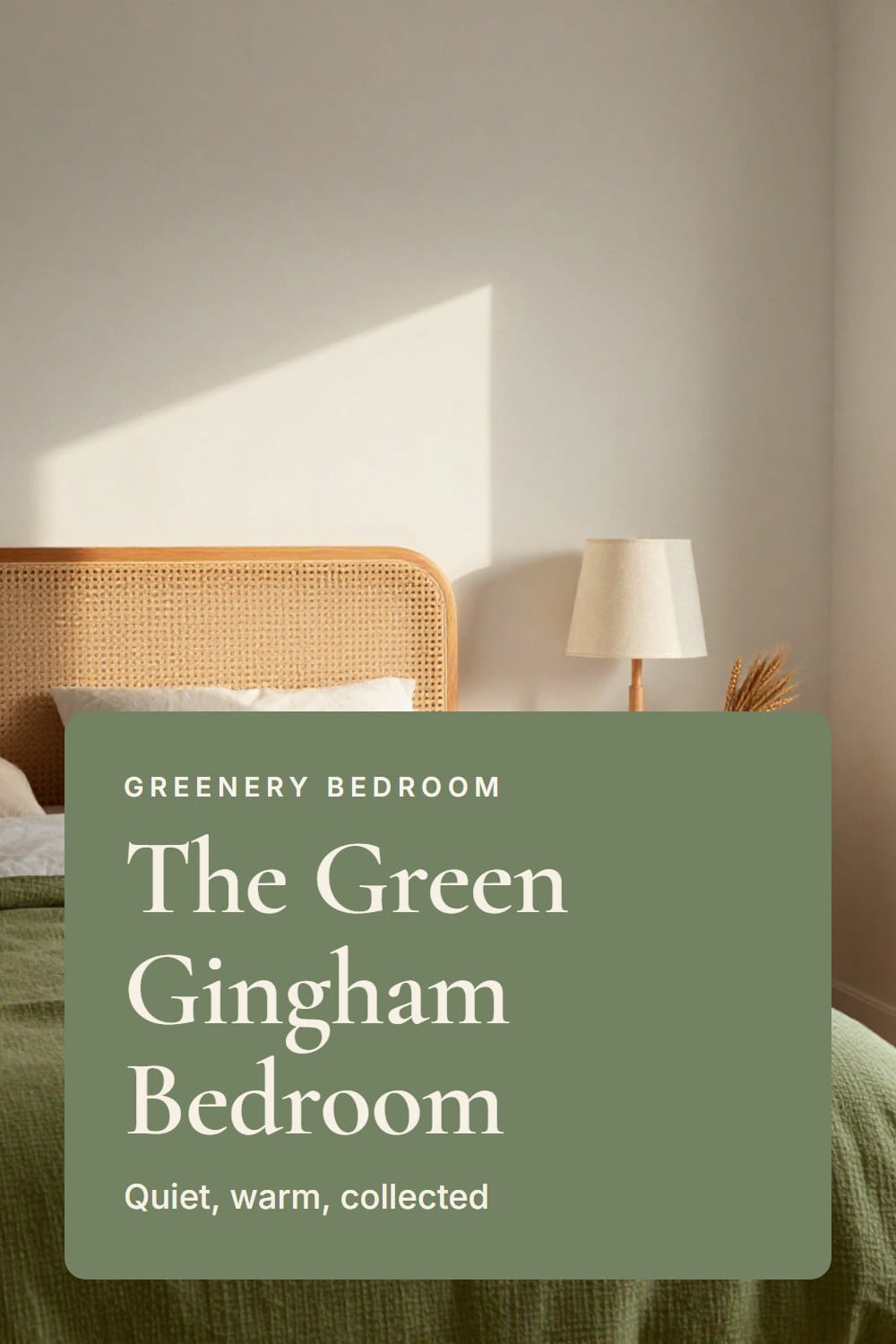
Rattan and cane do the same job with a lighter hand. A cane headboard or a rattan bedside table next to a sage check gives you pattern, grain and a natural material in one corner, without adding a single extra print.
Then there's the lamp. An aged brass base and a linen shade with a 2700K bulb warm the green up at night. A cool white bulb does the opposite and can turn a good green check gray and a little medicinal. I swapped ours in November and the whole bed looked better by dinnertime.
How to stop gingham looking nursery or farmhouse
If your gingham bed still looks like a country-kitchen tablecloth, one of these is usually the cause.
- The green is too bright. Trade kelly or lime for sage, moss or bottle green.
- The check is stark white and green. Ivory or oatmeal softens it.
- There's trim. Ruffles, bows and piping all say nursery. Choose a flat, tailored hem.
- Everything matches. Gingham curtains, a gingham duvet and a gingham lampshade is a theme, not a bedroom.
- The room is full of farmhouse props. A distressed white ladder and a basket of dried wheat will pull any check toward country.
- The check is too big for the bed. Go down one size.
The fix for all of it is the same idea. Quieter color, smaller scale, fewer matching pieces, and one or two refined materials nearby: brass, a dark-framed print, a linen shade. Each of those tells the eye the room was chosen, not bought as a set.
Where green gingham looks its best
Guest rooms are the easiest place to start. A guest bed gets slept in less often, visitors expect a little charm, and a cheerful check says welcome without trying. Ours has had the same green gingham duvet for three winters and still looks fresh.
Rooms with a sloped ceiling are the other sweet spot. In an attic bedroom the walls bend and the corners go odd, and a regular grid is calming against all that angle. A small check in moss or olive on a bed tucked under the eave, with painted boards or plain plaster above, feels like the room was built for it.
Spring is when gingham gets its moment, and a medium check in light cotton is lovely for it. But a deep green check in a heavier weave carries straight through January, which is when most of us start itching to refresh the bedroom anyway. It's a year-round pattern as long as the green is deep enough.
If you're building the whole room around a green bed, olive green bedding ideas is where I'd start, and what color walls go with green bedding sorts out the walls. For full rooms, see sage green bedroom ideas and olive green bedroom ideas.
Seven green gingham bedding ideas to copy
These are the combinations I'd actually put in a house. Each one keeps to a single patterned layer.
- Small sage check duvet with oatmeal linen sheets and a cream waffle blanket. The quietest version, and the safest first buy.
- Plain flax linen duvet with a pair of medium moss Euro shams standing at the back. All the pattern, none of the commitment.
- Bottle green and ivory duvet with walnut nightstands and an aged brass lamp. This is the one that looks the most expensive.
- A tailored medium-check bed skirt under an all-white bed. The surprise shows up at the floor.
- A large-check throw folded across the foot of an otherwise plain bed. Big pattern, small dose.
- A moss or olive duvet in an attic room under a sloped ceiling, with painted boards overhead. The grid calms the angles.
- Gingham pillowcases only, on a bed of solid linen. The lightest touch on the list, and a good test before you buy a duvet.
If you want to try the check, keep everything else on the bed plain and let the duvet do the talking. Here are three queen-size green gingham sets to compare.
Green Gingham Washed Cotton Duvet Cover Set, Queen
A softly worn-in cotton lookWashed cotton has a relaxed, lived-in hand that suits a check pattern better than anything crisp.
Green Gingham Cotton Duvet Cover Set, Queen
An everyday cotton gingham bedA plain cotton gingham in green that pairs easily with solid linen sheets and a quiet throw.
Sage Green Gingham Duvet Cover Set, Queen
The quietest, most muted versionSage sits at the softer end of the green range, which makes it the easiest colorway to live with in a primary bedroom.
The Green Bed Styling Card
The printable is being finished. It will live here, free, with no sign-up wall.
Quick questions about green gingham bedding
Frequently asked
Is green gingham bedding too childish for a primary bedroom?
Can I mix gingham with floral and striped bedding?
What wall color goes with green gingham bedding?
Will gingham work with a velvet headboard?
Sarah Whitmore
she keeps the teak, she oils it in spring
Sarah has furnished the same porch three times and finally stopped. She writes about what actually survives a decade outdoors — which wood silvers, which fabric fades, and which inexpensive piece quietly reads the same as the expensive one.
SarahTimeless Manor is a participant in the Amazon Services LLC Associates Program, an affiliate advertising program designed to provide a means for sites to earn advertising fees by advertising and linking to Amazon.com. As an Amazon Associate we earn from qualifying purchases. This means if you click a link and buy something, we may receive a small commission at no additional cost to you. We recommend pieces we believe will still be on your patio in a decade — never on commission.
More from this corner
 Bedroom Sanctuary
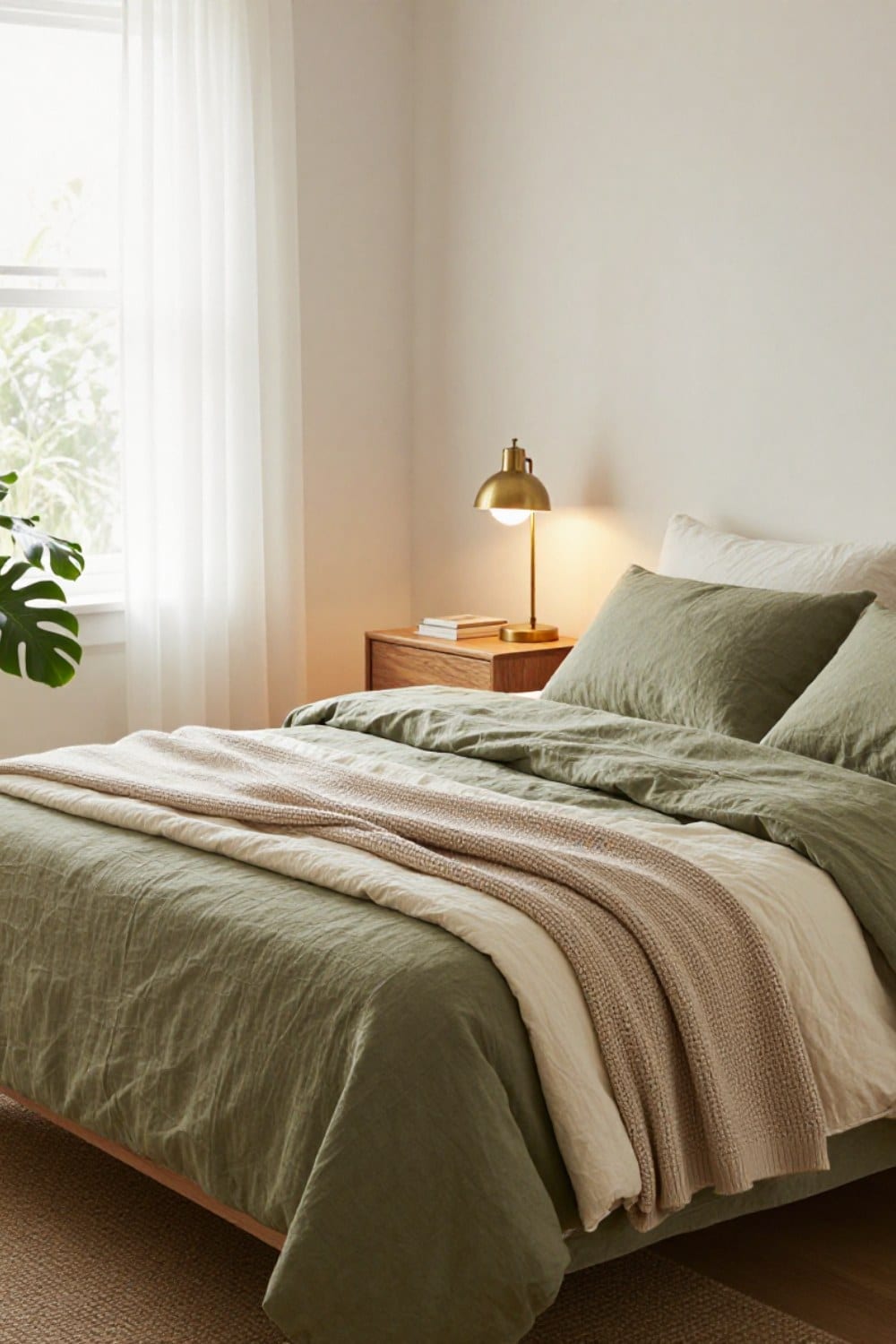
Olive Green Bedding Ideas: How to Make a Green Bed Look Collected
Olive green bedding ideas that make a bed look collected instead of matched: the three-tone rule, the fabrics that read expensive in green, what goes on top, and what belongs on the walls behind it.
Oct 22, 2026 · 11 min read
 Bedroom Sanctuary
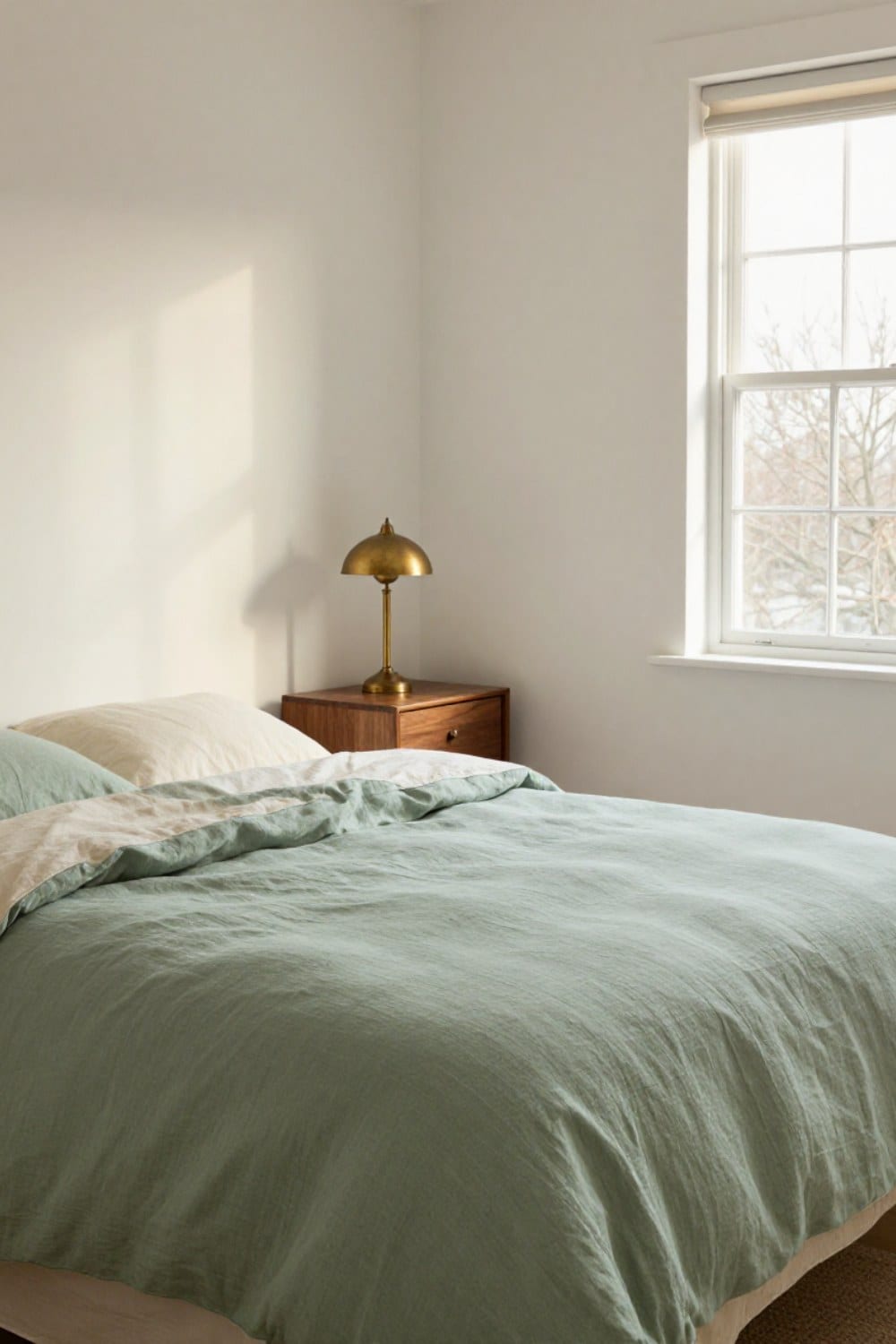
What Color Walls Go With Green Bedding? Six Pairings That Work
Six wall colors that make green bedding look chosen on purpose: warm white, greige, soft plaster pink, taupe, pale sage and deep chocolate or charcoal. Each one comes with the green it suits, how your light changes it, and the wood that ties it together.
Oct 20, 2026 · 11 min read
 Bedroom Sanctuary
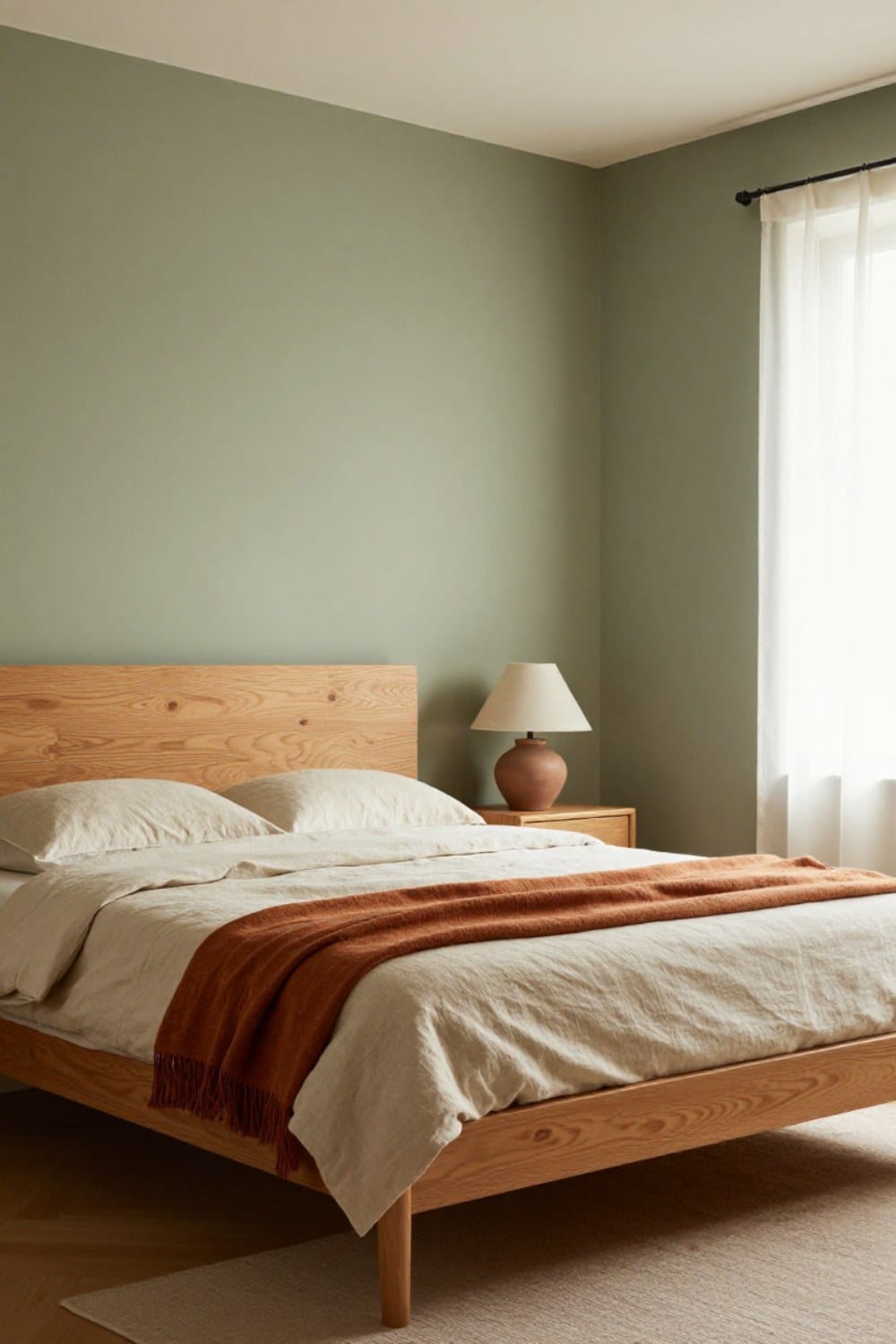
Sage Green and Terracotta Bedroom: A Warm Palette That Works With Wood
Sage green and terracotta is the easiest earthy palette to live with, as long as you get the proportions, the wood and the lightbulb right. Here is how I split it, where the clay goes, and what to swap each season.
Oct 20, 2026 · 10 min read