How to Layer Bedding Like a Designer: Duvet, Quilt, Throw and Euro Shams
Seven layers, stacked in the same order every time, make a bed look designed instead of piled. Here is the whole method from the mattress up, with sizes, pillow counts and winter and summer versions.

This post contains affiliate links. As an Amazon Associate we earn from qualifying purchases — at no extra cost to you.
The bed is the biggest thing in the room, and it is the first thing you see from the doorway. Learning how to layer bedding like a designer fixes more of a bedroom than a new lamp or a new coat of paint ever will. The method is dull in the best way: the same layers, stacked in the same order, every single time.
I used to pile everything on and hope. A duvet, three blankets, a mountain of pillows. It looked like laundry day, and it took ten minutes to make.
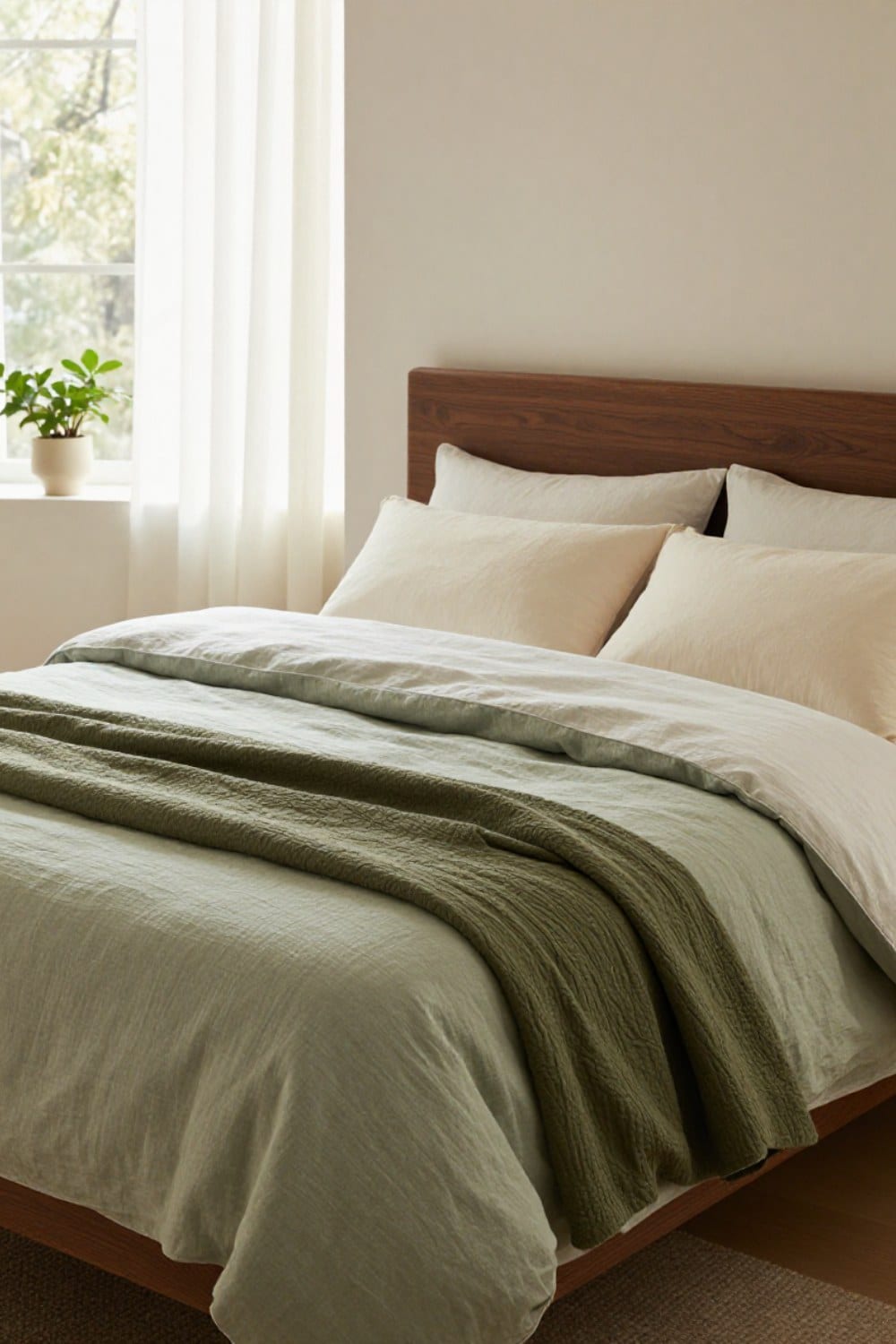
This guide builds one bed from the mattress up. Green is the example palette because it is what sits on my guest bed right now: a sage duvet cover, an olive quilt, a moss throw and cream pillows. Swap in your own colors and the method holds. If you are still choosing the color story, start with olive green bedding ideas, then come back here for the order of operations.
Once the pieces are in the house, the whole thing takes about five minutes a morning. Buy fewer, better layers and keep them for years. A bed built from six good pieces beats one built from twenty tired ones.
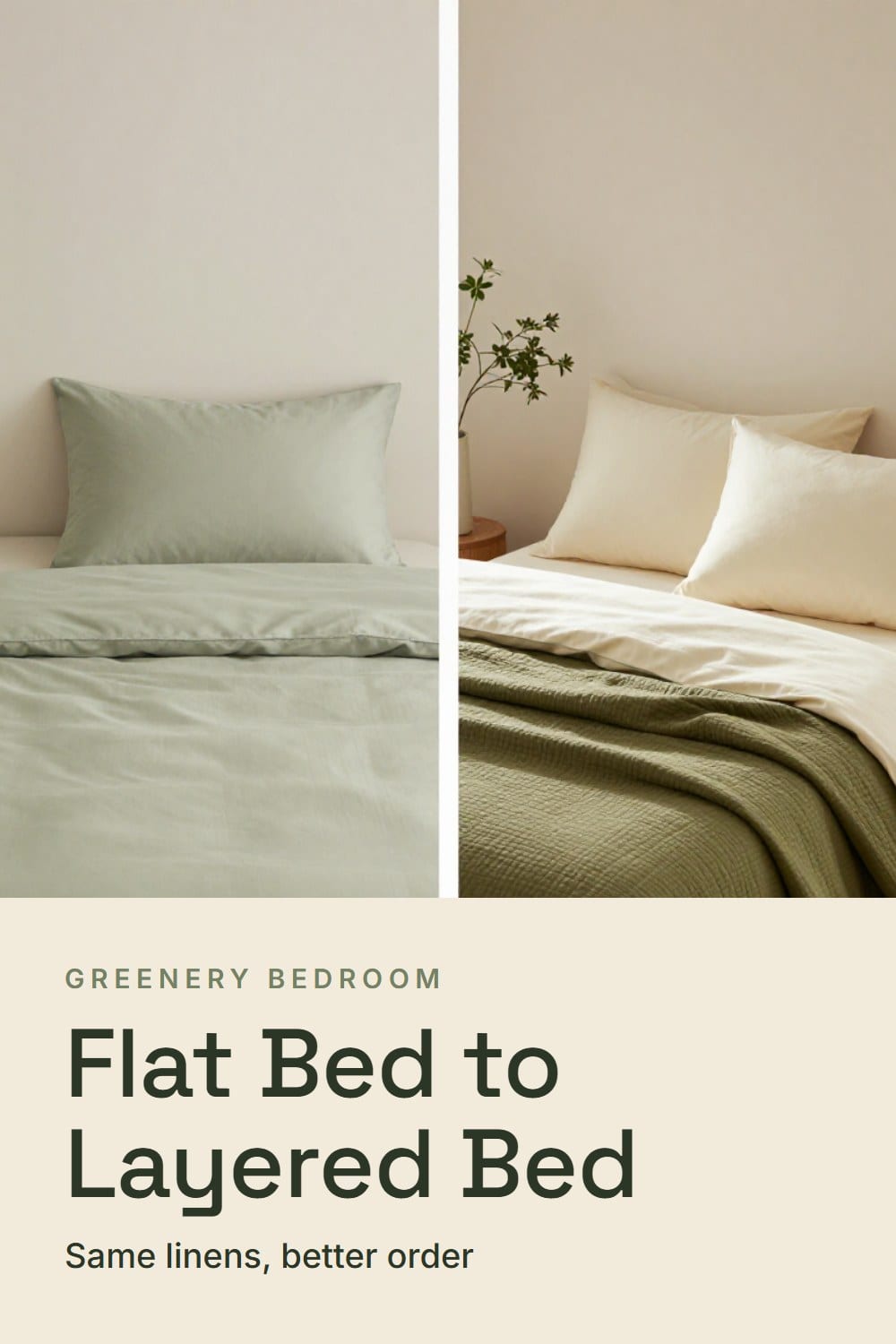
What actually goes on a layered bed
Think of a stack, not a pile. From the mattress up, a fully layered bed has seven parts:
- Fitted sheet and flat sheet
- Duvet, in its cover
- Quilt or coverlet, folded in thirds
- Throw
- Euro shams against the headboard
- Sleeping pillows in front of them
- One lumbar pillow
Two of those flex. The quilt can sit out the hottest weeks of summer, and the throw can leave any time the bed feels busy. Sheets, duvet and pillows are the bones. Everything else is how the bed reads from the door.
Know your sizes before you fold anything
Most beds that look wrong are size problems in disguise. These are the numbers I keep in my head:
- Euro shams: 26 x 26 inches, square
- Standard shams and pillows: 20 x 26 inches
- King shams and pillows: 20 x 36 inches
- Queen mattress: 60 x 80 inches. King mattress: 76 x 80 inches
- Lumbar pillow: about 12 x 20 inches
The square shape is the point of a euro. It stands up behind the rectangular pillows and reads as a second row, and that second row is what makes a bed look built rather than slept on. A standard in front of a euro works. Reverse them and the bed looks backward.
Match the duvet to the mattress, too. My first one was a full on a queen bed. It bunched at the head and left both sides of the mattress bare, and no amount of folding fixed it. Size the insert and the cover to the bed, or go up one size for a softer drop over the sides.
How to Layer Bedding Like a Designer, From the Mattress Up
Strip the bed, smooth the mattress pad and open a window. Then seven steps, in this order, every time.
Start with a fitted sheet and a flat sheet
Pull the duvet up and fold the sheet back
Fold the quilt in thirds across the foot
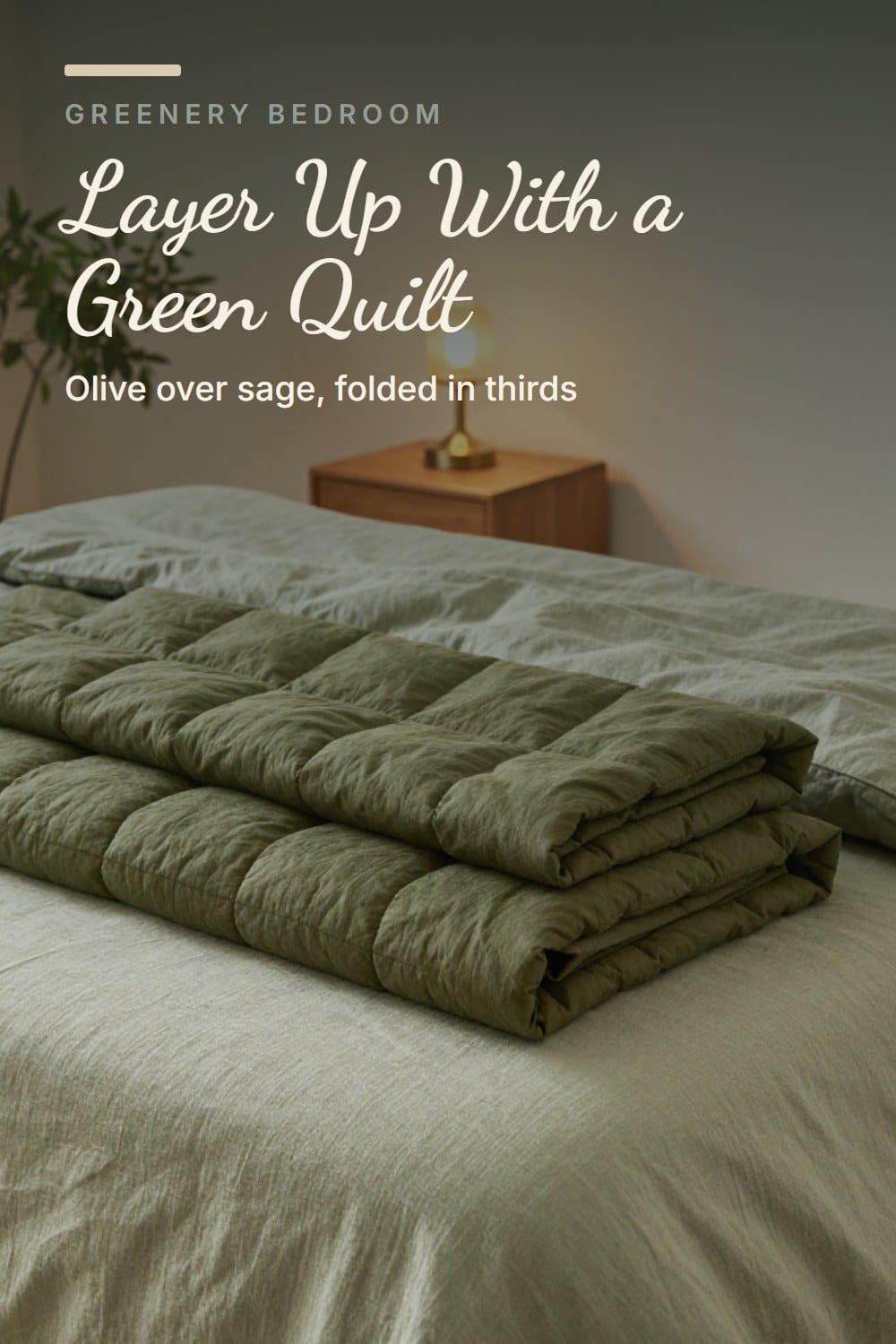
Drape the throw off center
Stand the euro shams against the headboard
Add the sleeping pillows in front
Finish with one lumbar
How many pillows on a bed
Pillow math trips up more people than anything else on the bed. This is my count by size:
- Full or queen bed: 2 euro shams, 2 sleeping pillows and 1 lumbar. Five in all.
- King bed: 3 euro shams, 2 king pillows (20 x 36 inches) and 1 lumbar. Six in all.
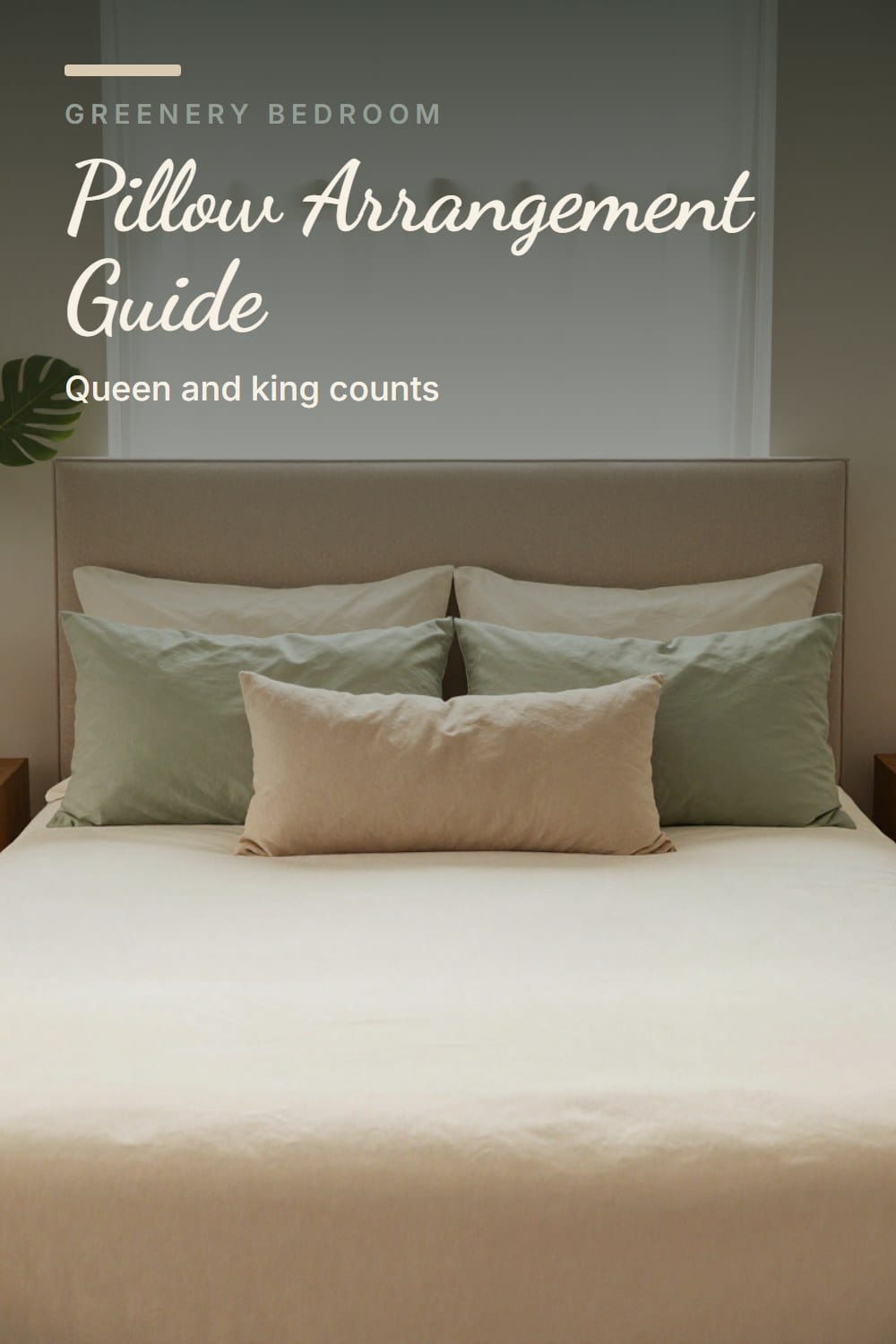
That is my rule, not a law. A wide upholstered headboard can carry an extra euro. A thin metal frame wants fewer. If the headboard is next on your list, green velvet headboard ideas is worth a look before you buy.
Past six, the bed turns into a pillow fort and nobody wants to move them at night. I used to stack eight. Every evening I tossed half of them onto the floor like a hotel guest in a hurry.
Five ways to layer the same bed
Once you know the layers, you can restyle the same pieces without buying anything. These are the five I rotate between.
- The hotel bed. Duvet pulled to the pillows, flat sheet folded back 10 to 12 inches, pillows standing straight. Crisp and calm.
- The foot fold. Duvet pulled up, quilt in thirds across the bottom, throw on top. This is the full version from the steps above.
- The quilt on top. Quilt pulled up to the pillows as the top layer, with the duvet folded in thirds beneath it at the foot. Good for a patterned quilt you want to show off.
- The relaxed pull-up. Duvet pulled up and left a little rumpled, throw tossed at one corner, euros leaning loose. It takes about two minutes and suits linen.
- The tailored bed. Duvet tucked at the sides, quilt folded precisely, two euros and no lumbar. The most formal of the five, and the best match for a tall headboard.
Pick one and keep it for a month. A bed made a different way every morning never gets quick.
Winter and summer versions of your bed
The layers stay and the fabrics change. In winter, build up. Sateen or brushed cotton sheets feel warmer than crisp percale, the duvet does the heavy lifting, and the throw goes wool or chunky knit. If you want a velvet layer for the cold months, olive velvet bedding for winter covers it.

In summer, strip down. Percale or linen sheets, a lighter duvet or just the quilt over the top sheet, and the throw folded away in a closet. You keep the quilt fold and the euros, so the bed still looks layered. It just sleeps cooler.
My first July with a thick duvet, I woke at three in the morning and kicked everything onto the floor. Now the heavy one goes into a storage bag in June. Two layers stay all year, the euros and the folded quilt, because they carry the look when the bulky things leave.
Why your bed looks flat, and what fixes it
A flat bed is usually one of six things:
- Tucking the duvet tight like a hospital bed, which presses out all the loft
- A duvet insert too small for the cover, so the corners collapse
- Pillows that are all one size, which makes a single row with no depth
- A quilt left unfolded, so it hides the duvet instead of sitting on it
- Euro shams stuffed soft, so they slump by lunchtime
- Three patterns and four colors at once, with no color story
Nearly all of them come down to depth. A bed looks full when the eye reads steps: tall euros, shorter pillows, a duvet band, a folded quilt, a throw. Take one step away and the whole thing flattens. Put the missing one back, usually the euros or the quilt fold, and the fix takes a minute.
For color, I stay with two greens and a cream. Where the walls come into it, what color walls go with green bedding lays out six pairings that work.
The five minute morning routine
Once the layers are right, the daily make is a short loop. This is the order I follow:
- Pull the covers back and leave them while you get dressed
- Straighten the fitted sheet and smooth the flat sheet
- Pull the duvet up and refold the sheet band
- Refold the quilt in thirds and square it at the foot
- Drape the throw
- Stand the euros, then lean the sleeping pillows against them
- Set the lumbar and step back to the door
Seven small moves, about five minutes. The first week feels slow. By the second you stop thinking about it.
Start tonight. Strip the bed, lay the sheets, fold the quilt in thirds and see how it looks from the door. If green is the direction you are leaning, sage green bedroom ideas has the wider room to build around.
If you're building the stack from scratch, this is the order I'd shop it: the euro inserts and covers, the quilt, then the lumbar pillows that go at the front.
Foamily 26 x 26 in Euro Pillow Insert
Filling the euro shamsA 26 by 26 inch euro insert for the back row of the bed.
Simple&Opulence Linen Euro Sham Covers with Piping, Sage, Pair
Sage euro covers with pipingLinen covers with a piped edge in sage, sold as a pair for the back row.
CozyTide Olive Green Waffle Weave Cotton Quilt Set, Queen
The quilt layerA waffle weave cotton quilt in olive adds texture between the duvet and the throw.
Simple&Opulence Linen Lumbar Pillow Covers, Olive, Pair
The front lumbar layerOlive linen lumbar covers, a pair, for the last step at the front of the stack.
The Green Bed Styling Card
The printable is being finished. It will live here, free, with no sign-up wall.
Frequently asked
Do I need a top sheet with a duvet?
How big should the insert be for a euro sham?
Can I layer a bed without a quilt?
How do I keep linen bedding from looking messy?
Sarah Whitmore
she keeps the teak, she oils it in spring
Sarah has furnished the same porch three times and finally stopped. She writes about what actually survives a decade outdoors — which wood silvers, which fabric fades, and which inexpensive piece quietly reads the same as the expensive one.
SarahTimeless Manor is a participant in the Amazon Services LLC Associates Program, an affiliate advertising program designed to provide a means for sites to earn advertising fees by advertising and linking to Amazon.com. As an Amazon Associate we earn from qualifying purchases. This means if you click a link and buy something, we may receive a small commission at no additional cost to you. We recommend pieces we believe will still be on your patio in a decade — never on commission.
More from this corner
 Bedroom Sanctuary
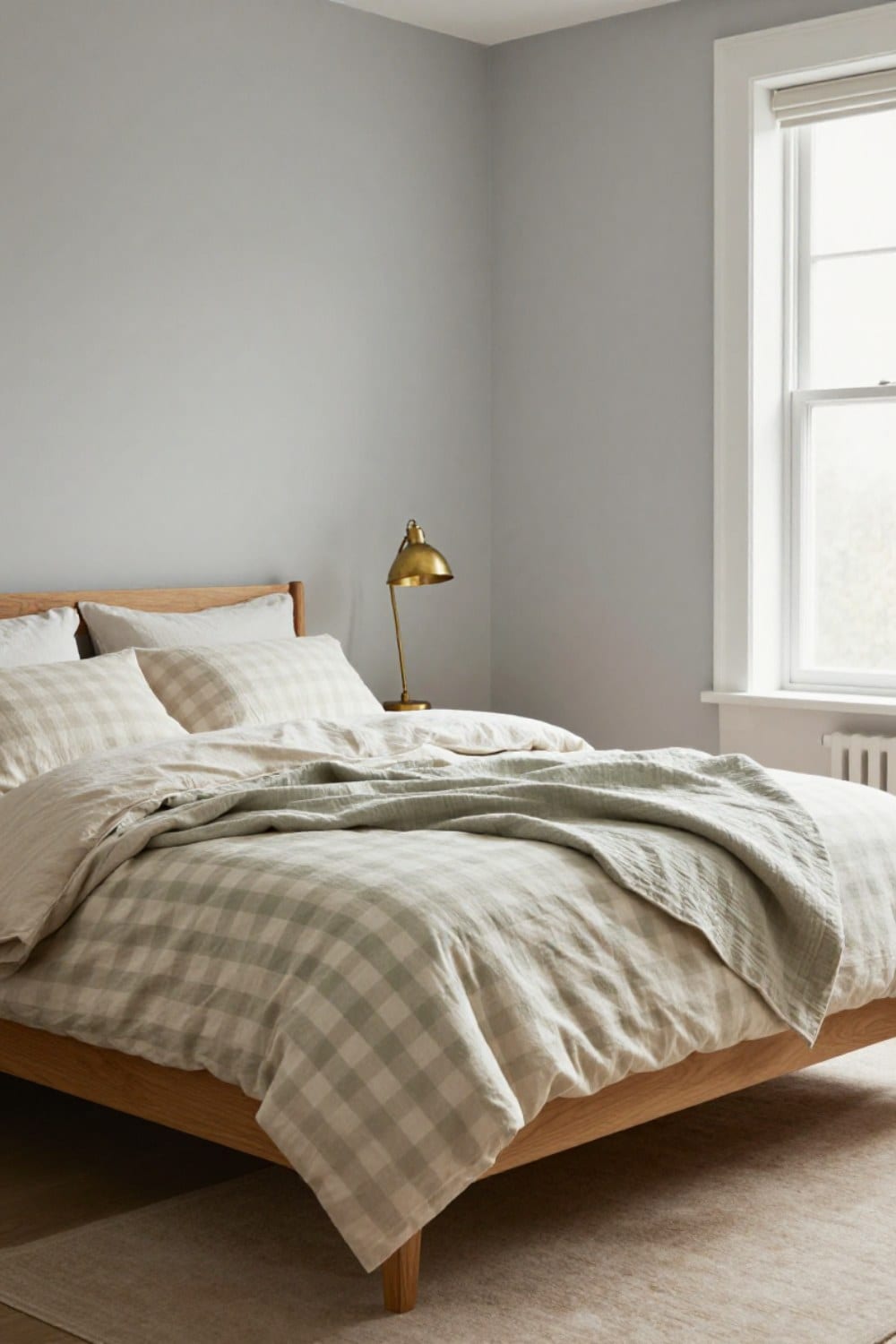
Green Gingham Bedding: How to Style It So It Looks Grown-Up
Green gingham bedding can look calm and collected instead of nursery. Here is how to choose the check size, keep it to one layer, mix it with other patterns and pair it with wood so the bed looks grown-up.
Oct 25, 2026 · 10 min read
 Bedroom Sanctuary
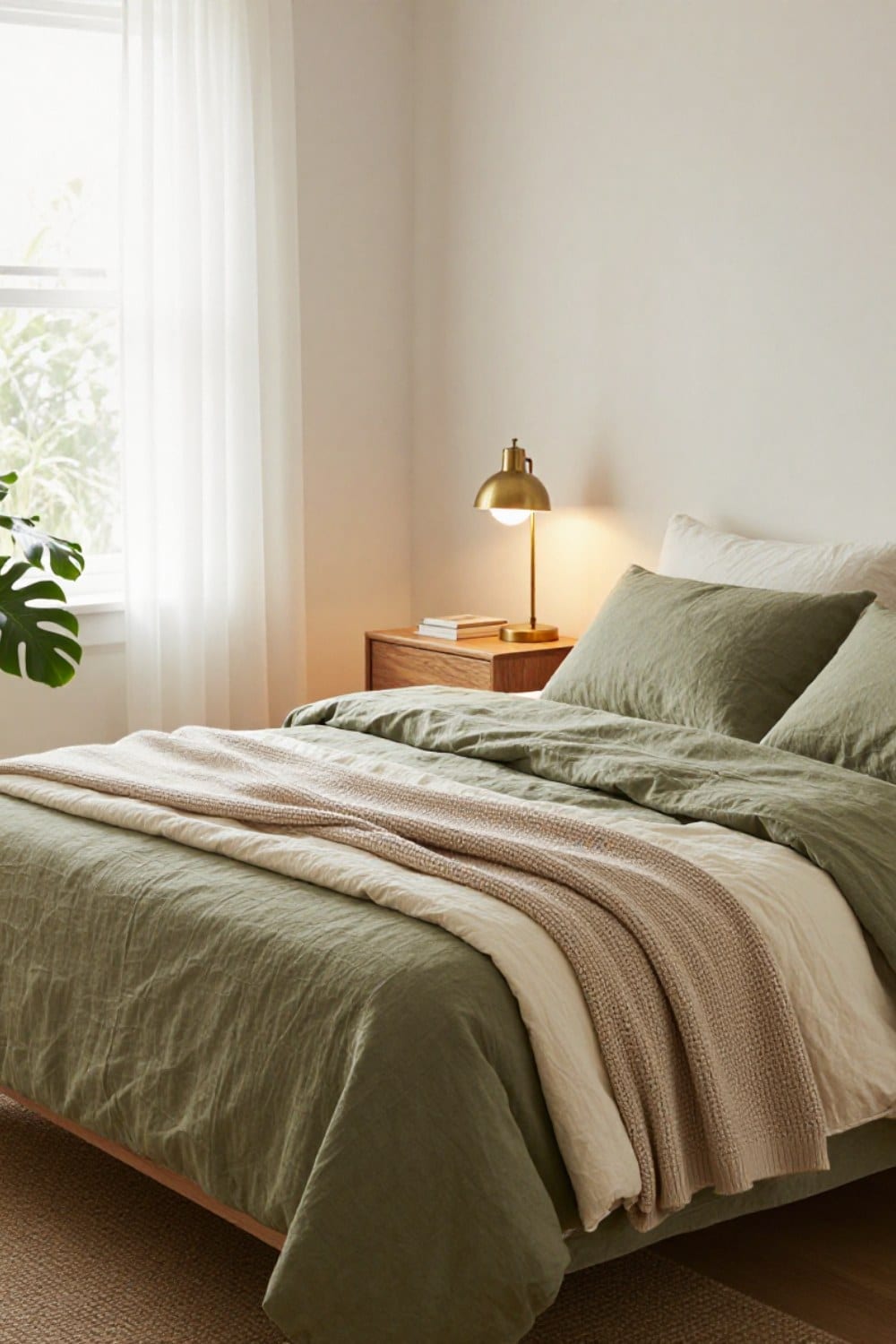
Olive Green Bedding Ideas: How to Make a Green Bed Look Collected
Olive green bedding ideas that make a bed look collected instead of matched: the three-tone rule, the fabrics that read expensive in green, what goes on top, and what belongs on the walls behind it.
Oct 22, 2026 · 11 min read
 Bedroom Sanctuary
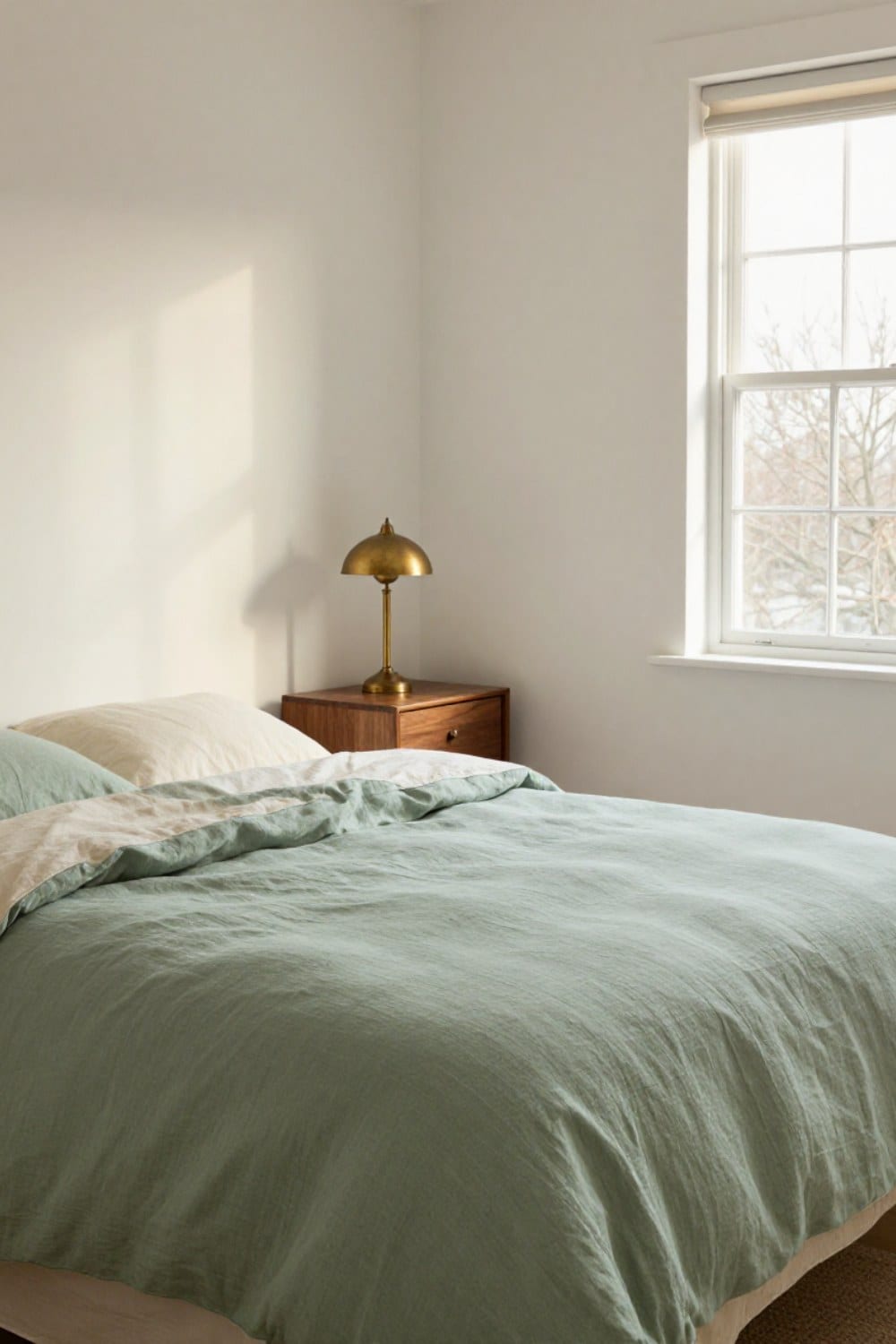
What Color Walls Go With Green Bedding? Six Pairings That Work
Six wall colors that make green bedding look chosen on purpose: warm white, greige, soft plaster pink, taupe, pale sage and deep chocolate or charcoal. Each one comes with the green it suits, how your light changes it, and the wood that ties it together.
Oct 20, 2026 · 11 min read